As the electronics manufacturing industry continues to evolve at a rapid pace, supply chain integration and operational efficiency have become critical competitive advantages. Against this backdrop, Turnkey PCB Assembly—a fully integrated, one-stop manufacturing service—has gained widespread adoption among hardware startups, small and medium-sized enterprises (SMEs), and even large OEMs.
For professionals working in electronics manufacturing, understanding the true scope, workflow, and strategic value of turnkey PCB assembly is essential before deciding whether to adopt this model. In this article, PCBCool provides a comprehensive, engineering-driven explanation of turnkey PCB assembly, helping you clearly understand what it is, how it works, and when it makes sense for your business.
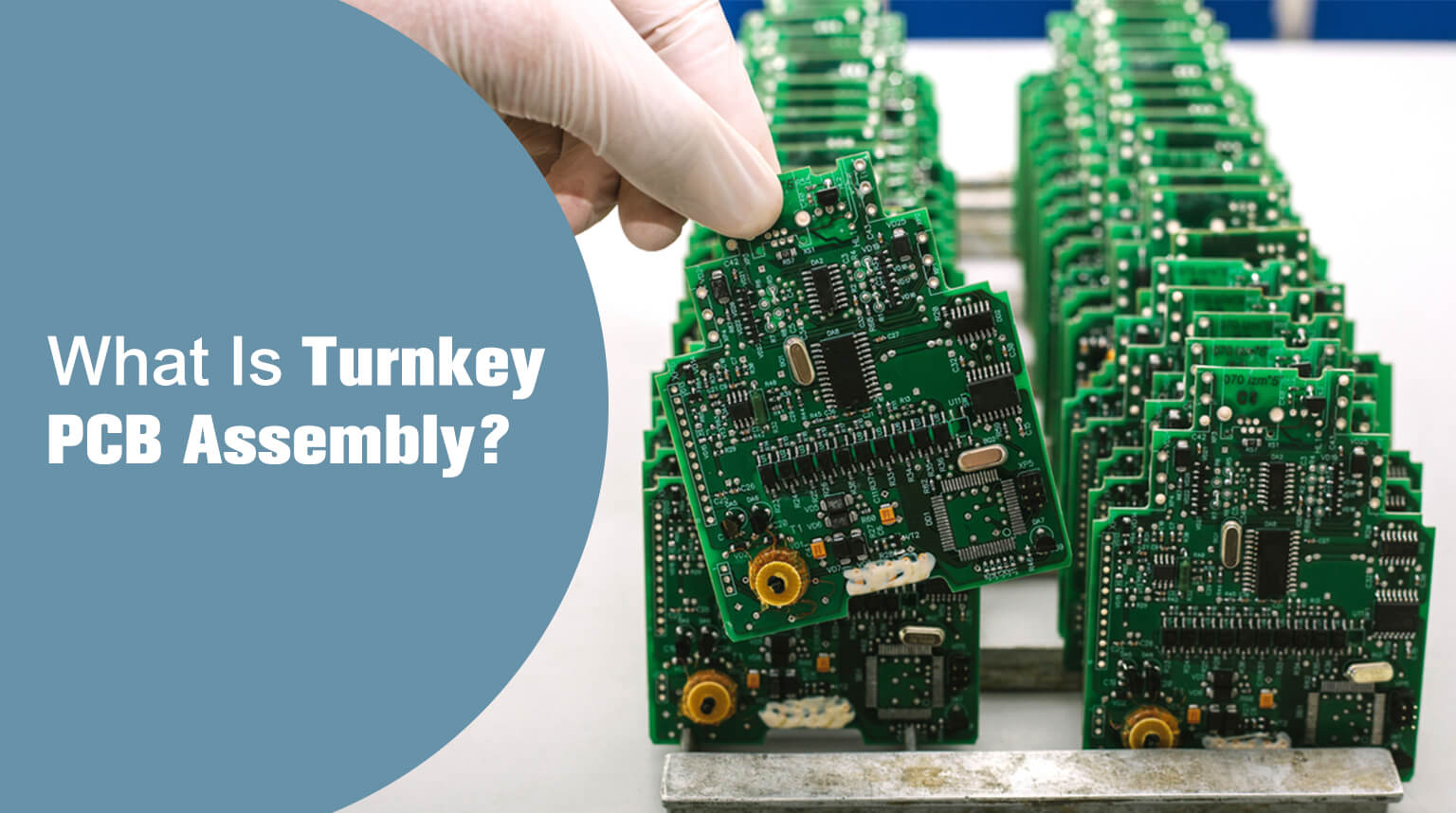
Turnkey PCB Assembly is an end-to-end integrated electronics manufacturing solution. In this model, a single service provider assumes full responsibility for the entire production lifecycle, ensuring streamlined coordination and accountability. The customer simply provides the design files, while the manufacturer manages all subsequent stages, from component sourcing to assembly and testing. The final deliverable is a fully functional PCBA that can be installed directly into the end product—hence the term “turnkey.”
By contrast, traditional PCB assembly often requires customers to coordinate separately with PCB manufacturers, component suppliers, and assembly houses. This fragmented approach increases communication overhead and frequently results in material delays, process mismatches, unclear responsibility boundaries, and higher project risk. Turnkey PCB assembly overcomes these challenges by centralizing accountability and maintaining full-process control, significantly reducing management complexity and project risk.
One of the defining features of turnkey PCB assembly is the presence of a single responsible entity. From engineering review and material sourcing to manufacturing and final delivery, quality, cost, and lead time accountability are clearly assigned to one provider.
This “single interface” model prevents disputes between multiple vendors and minimizes delays caused by unclear responsibility ownership, making project execution more predictable and manageable.
Turnkey PCB assembly is not limited to component placement or soldering alone. It encompasses the entire electronics manufacturing chain, which typically includes:
- PCB fabrication
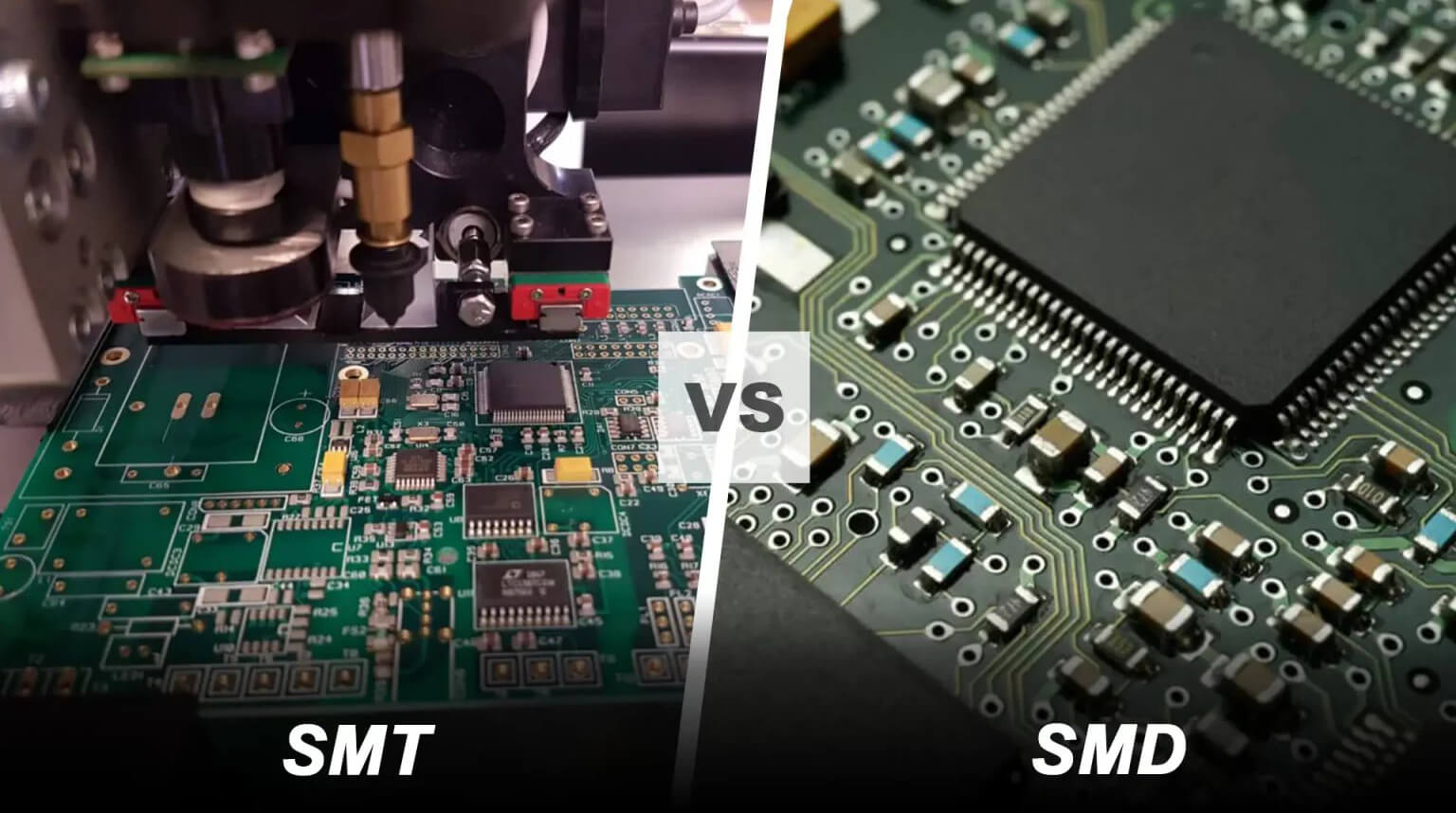
- SMT and THT assembly
- Component procurement
- DFM (Design for Manufacturability) optimization
- Electrical and functional testing
- Burn-in testing (when required)
- Packaging and logistics
The final output is a fully tested, production-ready PCBA, delivered as a complete solution rather than a partially finished assembly.
Under a turnkey model, customers are not required to possess in-depth supply chain or manufacturing management expertise. Once design requirements are clearly defined and documentation is provided, the execution is largely driven by the service provider.
For startups, R&D-focused teams, and companies with limited manufacturing resources, this significantly reduces internal workload and allows teams to focus on product development, validation, and market expansion.
Mature turnkey PCB assembly providers operate under highly standardized production and quality management systems. From incoming material inspection to in-process control and final testing, each stage is documented and traceable.
This traceability not only strengthens quality assurance but also provides valuable data for future product iterations, failure analysis, and continuous improvement.
The turnkey process begins when the customer submits a complete set of design and production documents, typically including:
- Gerber files (or ODB++ files)
- Bill of Materials (BOM) with manufacturer part numbers (MPNs)
- Pick-and-place / centroid files
- Assembly drawings and notes
- Testing requirements or functional specifications
At this stage, accuracy and completeness are critical. Incomplete or inconsistent data can lead to sourcing delays, assembly errors, or unnecessary engineering revisions later in the process.
Once the documentation is received, the turnkey provider conducts a Design for Manufacturability (DFM) and, when applicable, Design for Testability (DFT) review.
This step aims to identify potential risks before production begins, such as:
- Insufficient solder mask clearance
- Improper pad design for fine-pitch components
- Component placement conflicts
- Thermal imbalance issues
- Inadequate test access points
If issues are identified, the engineering team will provide clear, actionable feedback and propose optimization recommendations. This early-stage review significantly reduces the likelihood of rework, scrap, or latent reliability failures.
After engineering approval, the turnkey provider takes full responsibility for component procurement.
Leveraging long-term partnerships with original manufacturers (OEMs) and authorized distributors, professional EMS providers can:
- Secure authentic, traceable components
- Reduce material costs through volume purchasing
- Mitigate risks related to shortages, EOL components, or long lead times
- Proactively recommend approved alternates when necessary
All incoming materials typically undergo IQC (Incoming Quality Control) to verify part numbers, quantities, packaging integrity, and compliance with specifications.
If PCB fabrication is included in the turnkey scope, production begins in parallel with component sourcing.
Bare PCBs are manufactured according to the provided design files and are subjected to standard inspections such as:
- Electrical testing (E-test)
- Visual inspection
- Dimensional verification
This ensures that only qualified boards proceed to the assembly stage, reducing downstream defect risks.
Once all materials are ready, the assembly process begins.
Typical assembly operations include:
- Solder paste printing with SPI inspection
- High-precision SMT placement
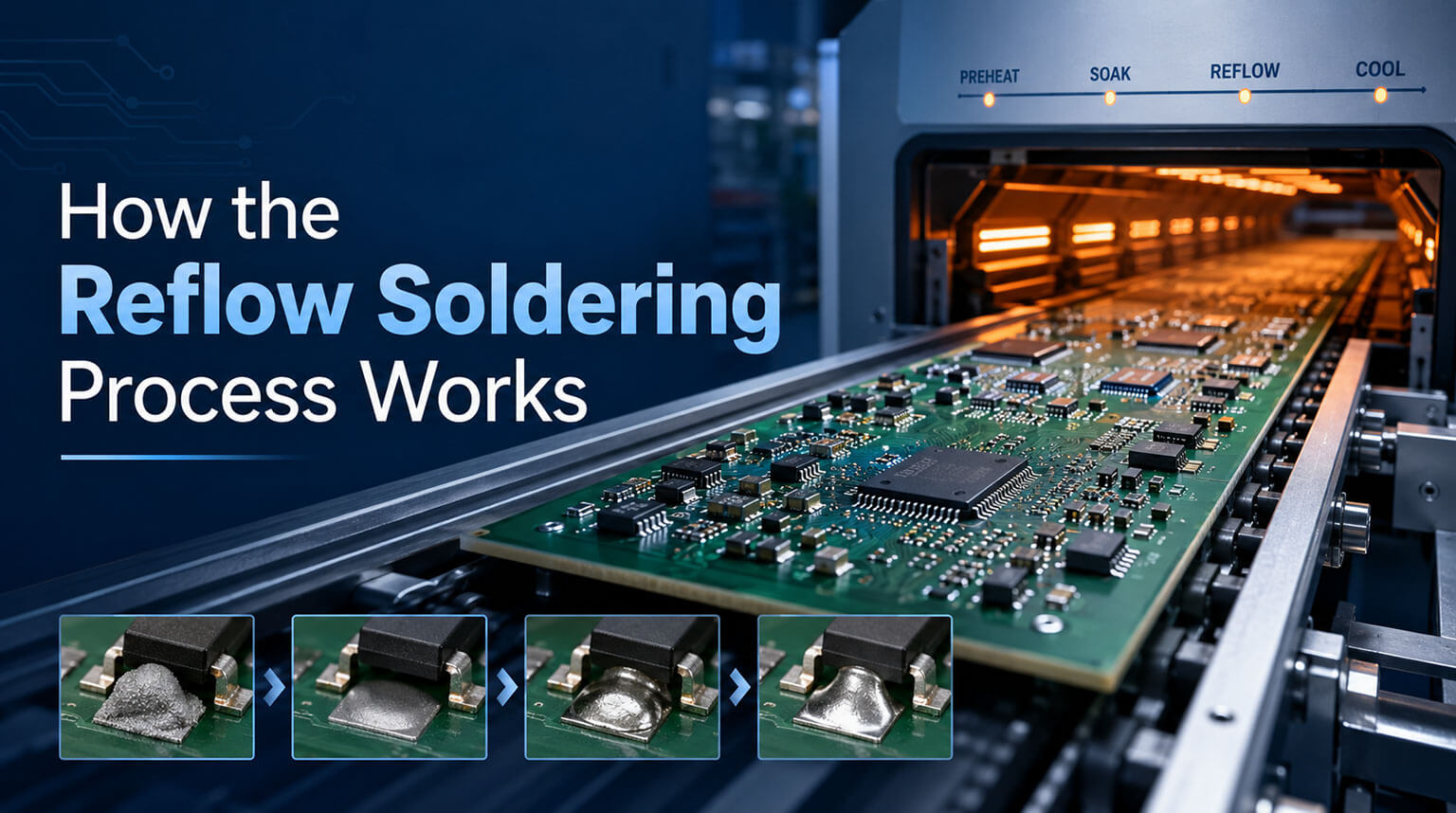
- Reflow soldering with optimized thermal profiles
- THT (DIP) insertion, when required
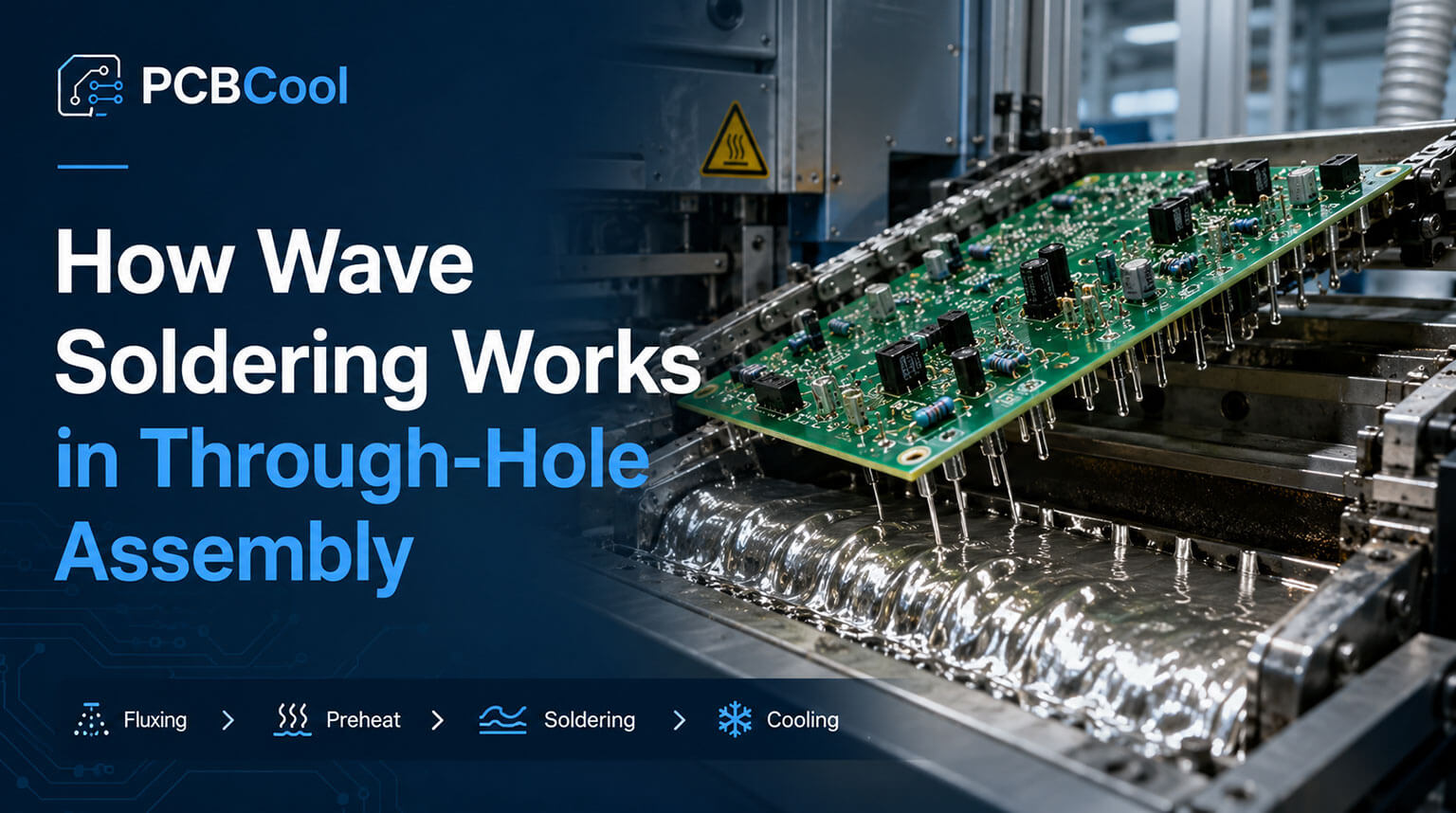
- Selective soldering or wave soldering
For complex or high-reliability products, process parameters are often customized based on component sensitivity, PCB stack-up, and application requirements.
Quality control is a defining strength of professional turnkey PCB assembly services. Depending on project requirements, testing may include:
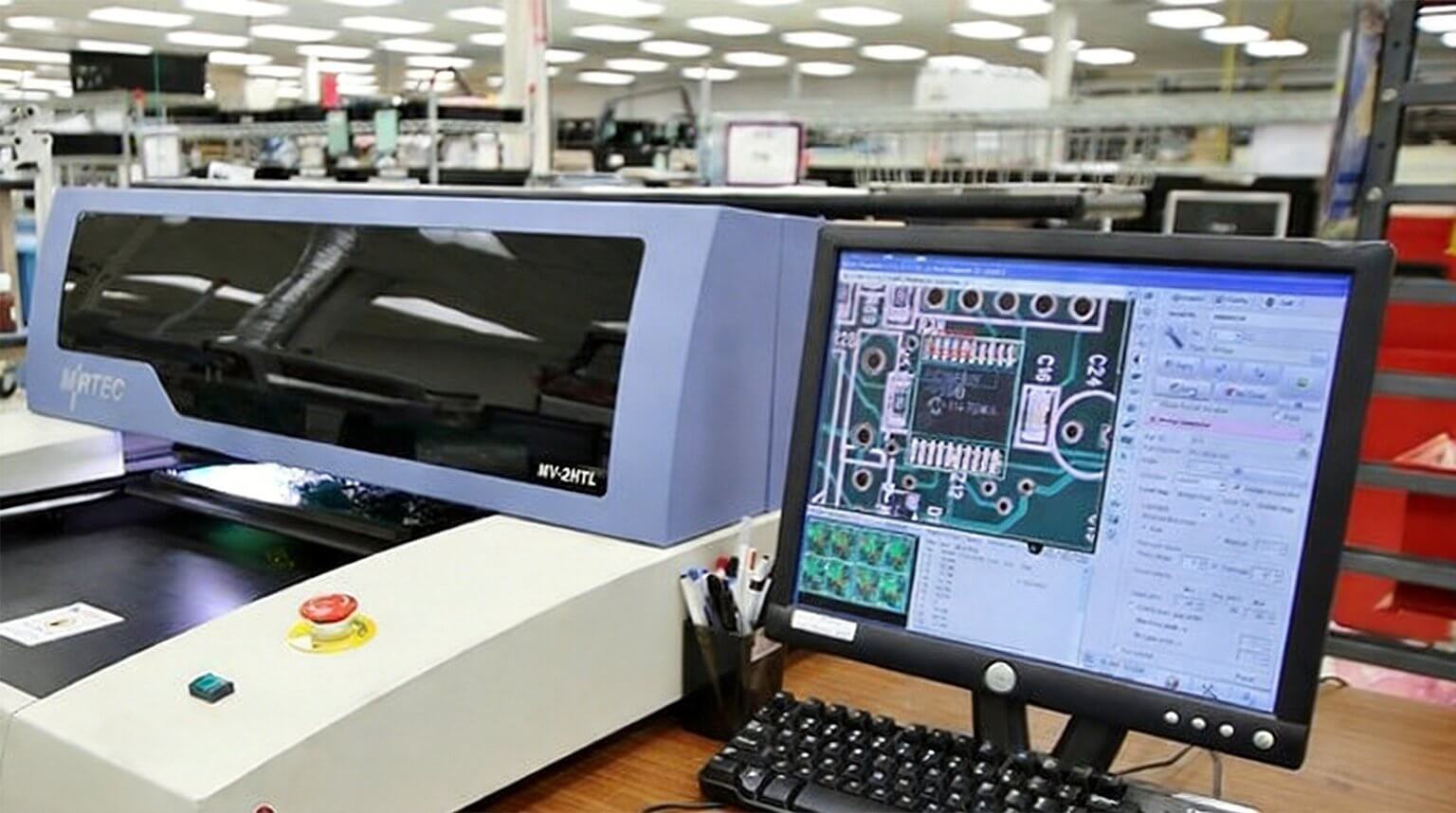
- AOI (Automated Optical Inspection)
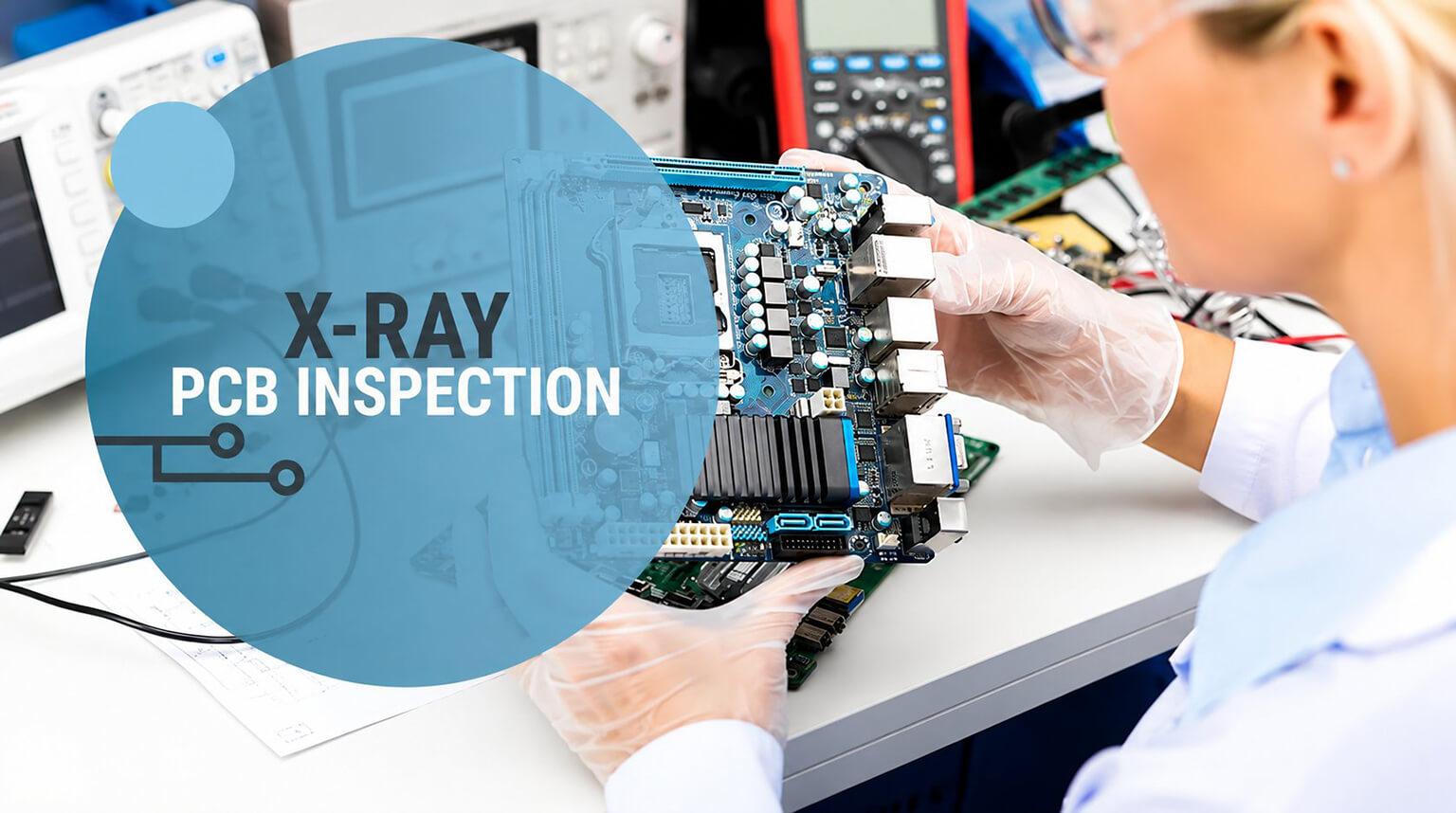
- X-ray inspection for BGA and hidden solder joints
- ICT (In-Circuit Testing)
- Functional testing based on customer-defined criteria
Each testing stage is designed to detect defects as early as possible, ensuring that only compliant assemblies move forward.
After passing all inspections and tests, the PCBAs are:
- Cleaned (if required)
- Labeled with traceability information
- Packaged using ESD-safe materials
The finished products are then shipped according to agreed delivery terms, ready for system integration or final product assembly.
Full turnkey is currently the most common and hassle-free model.
Under this model, the service provider acts as the single point of responsibility, managing all aspects from PCB fabrication and component procurement to SMT/DIP assembly, testing, packaging, and delivery.
Applicable scenarios:
- Startups or R&D teams
- Small and medium-sized enterprises lacking a stable supply chain
- Product development stages requiring fast turnaround and high project efficiency
Core value: This model minimizes customer management costs and supply chain risks, allowing them to focus on product design and market validation.
Partial turnkey lies between full turnkey and traditional assembly models, offering greater flexibility.
In this model, customers typically provide some key components (e.g., main control chips or custom devices) or PCB bare boards, while the service provider handles procurement of the remaining materials and is responsible for subsequent assembly, testing, and delivery.
Applicable scenarios:
- Customers already have partial material inventory
- Strict brand or model requirements for certain key components
- Desire to retain some control over cost or supply chain security
Advantage: Retains the integration benefits of turnkey assembly while giving customers control over critical materials.
Kitted or consigned turnkey involves the highest level of customer participation within the turnkey framework.
In this model, the customer provides all components and PCB bare boards, while the service provider mainly handles SMT/DIP assembly, testing, and packaging. Although it resembles traditional PCB assembly in terms of material responsibility, the provider can still improve overall delivery stability through standardized processes and quality management.
Applicable scenarios:
- Large enterprises or OEMs with a mature supply chain
- Desire to fully utilize in-house material resources
- Projects facing short-term capacity constraints that require outsourced assembly
Advantage: Offers flexible capacity allocation but requires customers to manage and coordinate materials effectively.
Ensure the provider’s technical capabilities meet the real needs of your product:
- Assembly limits: Support for small components (0201, 01005), high-density packages (BGA, QFN, LGA), and multi-layer or HDI PCBs
- Process completeness: Proficiency in SMT, DIP, mixed assembly, and lead-free/special processes
- Testing capability: Support for AOI, X-Ray, ICT, FCT, and custom test solutions
- Engineering support: DFM/DFA review capability to provide actionable design optimization
Technical capability sets the project “ceiling” and is the first gate in provider selection.
Component procurement is often the most uncertain part of turnkey PCB assembly. Evaluate suppliers on:
- Stable relationships with manufacturers or authorized distributors and traceable sourcing
- Handling of scarce, long-lead, or EOL components with alerts and alternatives
- Mature BOM review and substitution mechanisms to reduce procurement risk
- Proper inventory management to prevent production interruptions due to shortages
Strong supply chain capabilities often only become evident during execution but are critical to project success.
Turnkey value depends on the provider managing overall quality. Key considerations include:
- ISO 9001, ISO 14001 certifications and compliance with RoHS/REACH
- Comprehensive IQC, IPQC, and OQC processes
- Data recording and traceability for critical operations and materials
- Exception handling and continuous improvement mechanisms
A stable, replicable quality system is the foundation for long-term turnkey success.
Efficient communication is crucial. A mature turnkey provider typically offers:
- Timely quotation and feasibility assessments
- Delivery commitments based on real capacity and supply chain capabilities
- Clear project management with defined contact points and feedback paths
- After-sales support including technical assistance, rework, and ongoing guidance
Good project management reduces communication costs and increases execution certainty.
Turnkey PCB assembly is not just outsourcing manufacturing. It integrates manufacturing, procurement, and engineering capabilities to make each step from design to mass production more efficient and controllable. For R&D teams, startups, and OEMs optimizing their supply chain, selecting a provider with real engineering ability and proven delivery experience is crucial.
PCBCool, as a professional EMS provider, offers:
- PCB Fabrication: Multi-layer, HDI, high-density, and high-reliability applications
- PCB Assembly (SMT / DIP / Mixed): From prototypes to stable medium-volume production
- Turnkey PCB Assembly: Including component procurement, assembly, testing, and delivery
- Engineering Support: DFM/DFA reviews, BOM feasibility analysis, and design optimization
- Quality & Traceability: Comprehensive IQC, process control, and test verification
Whether in prototyping, pilot production, or scaling up, PCBCool can provide flexible, transparent, and scalable turnkey PCB assembly solutions, helping reduce manufacturing risk, shorten time-to-market, and let you focus on product development.