In the electronics manufacturing industry, specialization has become increasingly defined. As a result, whether to outsource PCB assembly has evolved into a critical decision that companies must carefully evaluate during their growth journey.
For some organizations, outsourcing has enabled a light-asset operating model, allowing resources to be concentrated on research and development, product innovation, and market expansion—often accelerating time-to-market and strengthening competitive positioning. For others, however, poor supplier selection or inadequate oversight has led to quality issues, delivery delays, and operational disruptions that ultimately hinder business growth.
In practice, there is no absolute “yes” or “no” answer to PCB assembly outsourcing. The suitability of outsourcing depends on multiple factors, including a company’s development stage, product characteristics, resource availability, and long-term strategic priorities.
In this article, PCBCool presents a structured and professional decision-making framework. We begin by analyzing the fundamental nature of PCB assembly outsourcing, followed by a detailed review of its key advantages and potential risks. We then outline practical evaluation criteria for different business scenarios and conclude with actionable guidance to help companies make informed, rational outsourcing decisions—reducing operational risk and avoiding costly misjudgments.
Before deciding whether to outsource your PCB assembly project, it is essential to establish a clear foundational understanding:
At its core, PCB assembly outsourcing is a strategic reallocation of resources.
By outsourcing non-core manufacturing activities to specialized service providers, companies can redirect internal resources—including capital, talent, and management focus—toward areas that directly support long-term competitiveness, such as R&D, product differentiation, market expansion, and brand development.
This approach should not be viewed as:
- a compromise driven by insufficient capability, or
- an abdication of responsibility
Rather, it represents a rational, sustainable business decision aligned with modern industrial specialization.
In contrast, building and operating an in-house assembly line reflects a strategy of end-to-end control. Companies that choose this path seek tighter oversight of manufacturing processes, enhanced delivery stability, stricter quality assurance, and stronger protection of proprietary technologies.
Neither model is inherently superior. The decisive factor is strategic alignment—whether the chosen approach matches the company’s current development stage, product roadmap, and long-term objectives.
To support that evaluation, the following sections provide a systematic analysis of the core advantages and potential risks associated with PCB assembly outsourcing.
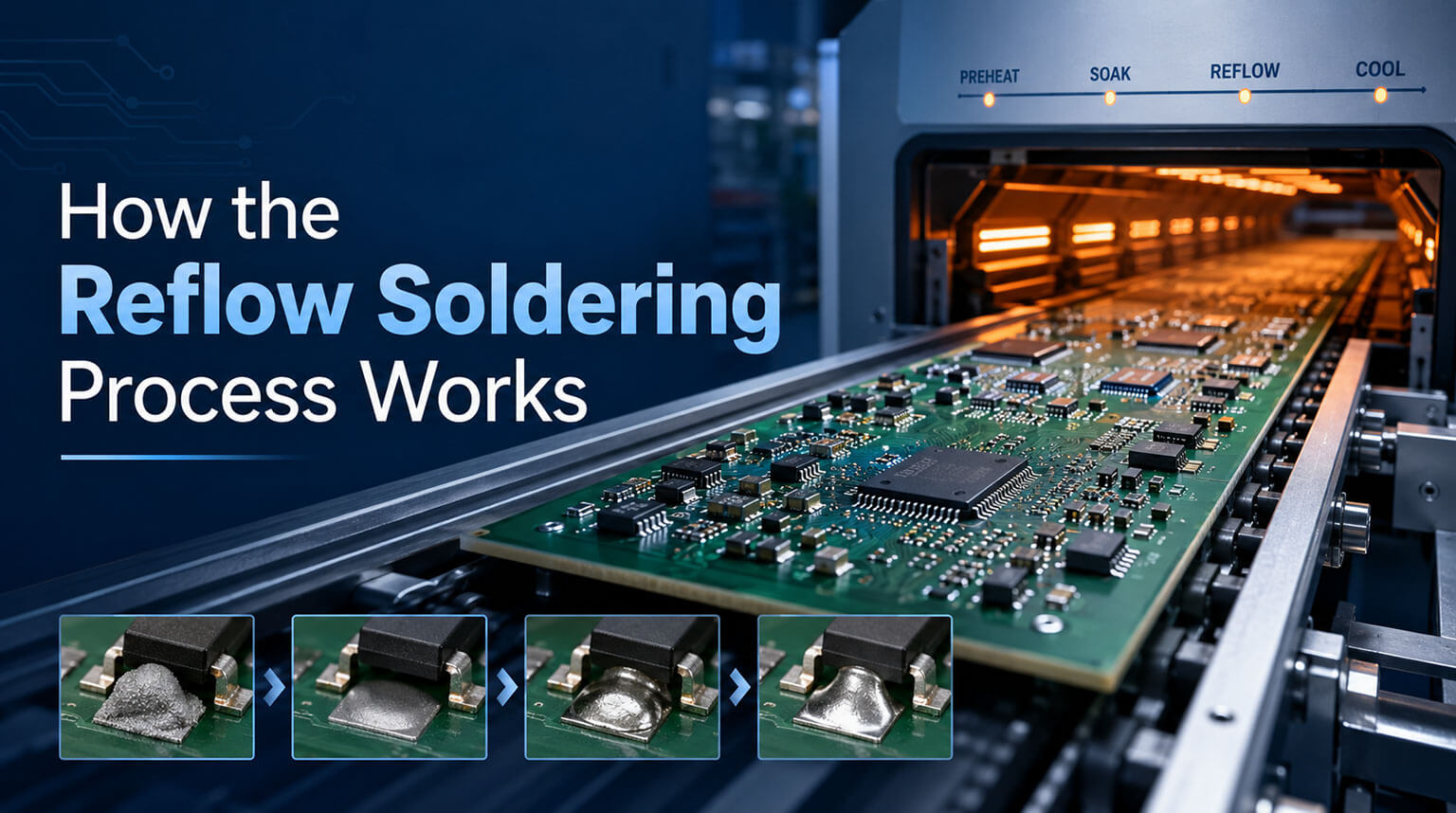
Establishing a standard PCB assembly production line requires substantial upfront investment. Core equipment—such as high-speed pick-and-place machines, reflow ovens, AOI inspection systems, and X-ray solder joint inspection equipment—often costs several million dollars. When combined with cleanroom construction, ESD protection systems, and controlled temperature and humidity environments, total startup investment frequently exceeds eight figures.
Moreover, such equipment typically carries depreciation cycles of 5–8 years, while electronics manufacturing technologies often evolve within 3–5 years, creating a high risk of asset obsolescence and sunk costs.
By outsourcing PCB assembly services, companies can avoid these heavy capital expenditures and instead allocate financial resources to R&D, market development, and other high-value activities. Industry data indicates that outsourcing can reduce capital occupancy in manufacturing operations by more than 60%, making it particularly attractive for startups while also improving capital efficiency for established enterprises.
Modern electronic products are rapidly evolving toward miniaturization, high density, and high-speed performance. Ultra-small 01005 components, 0.2 mm pitch BGA packages, and HDI multilayer boards have become standard requirements rather than exceptions.
For most companies, achieving these capabilities in-house presents significant challenges:
- High-precision equipment requires continuous reinvestment
- Process optimization demands experienced engineering teams
- Skilled personnel typically require 1–2 years of training and ramp-up
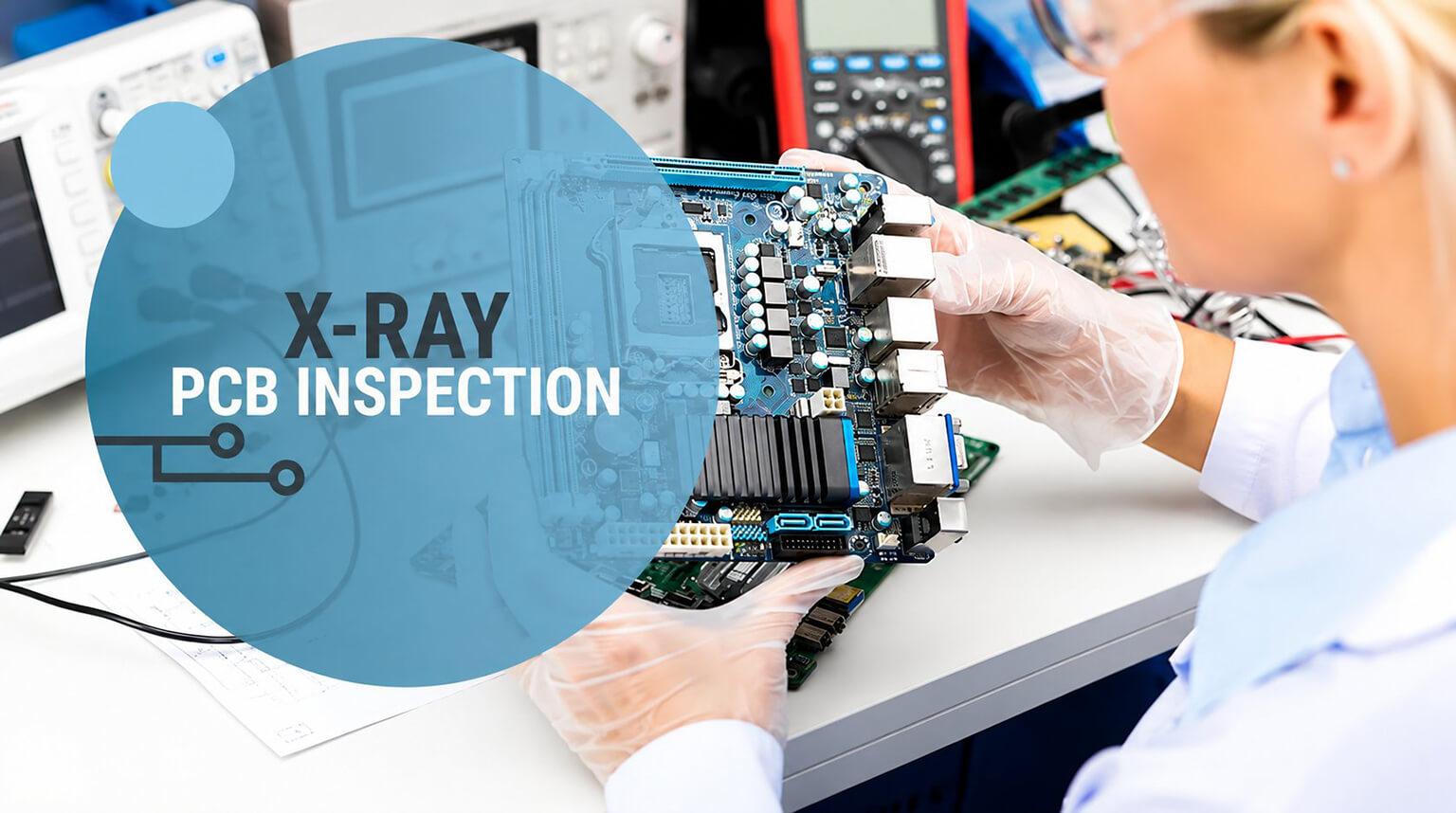
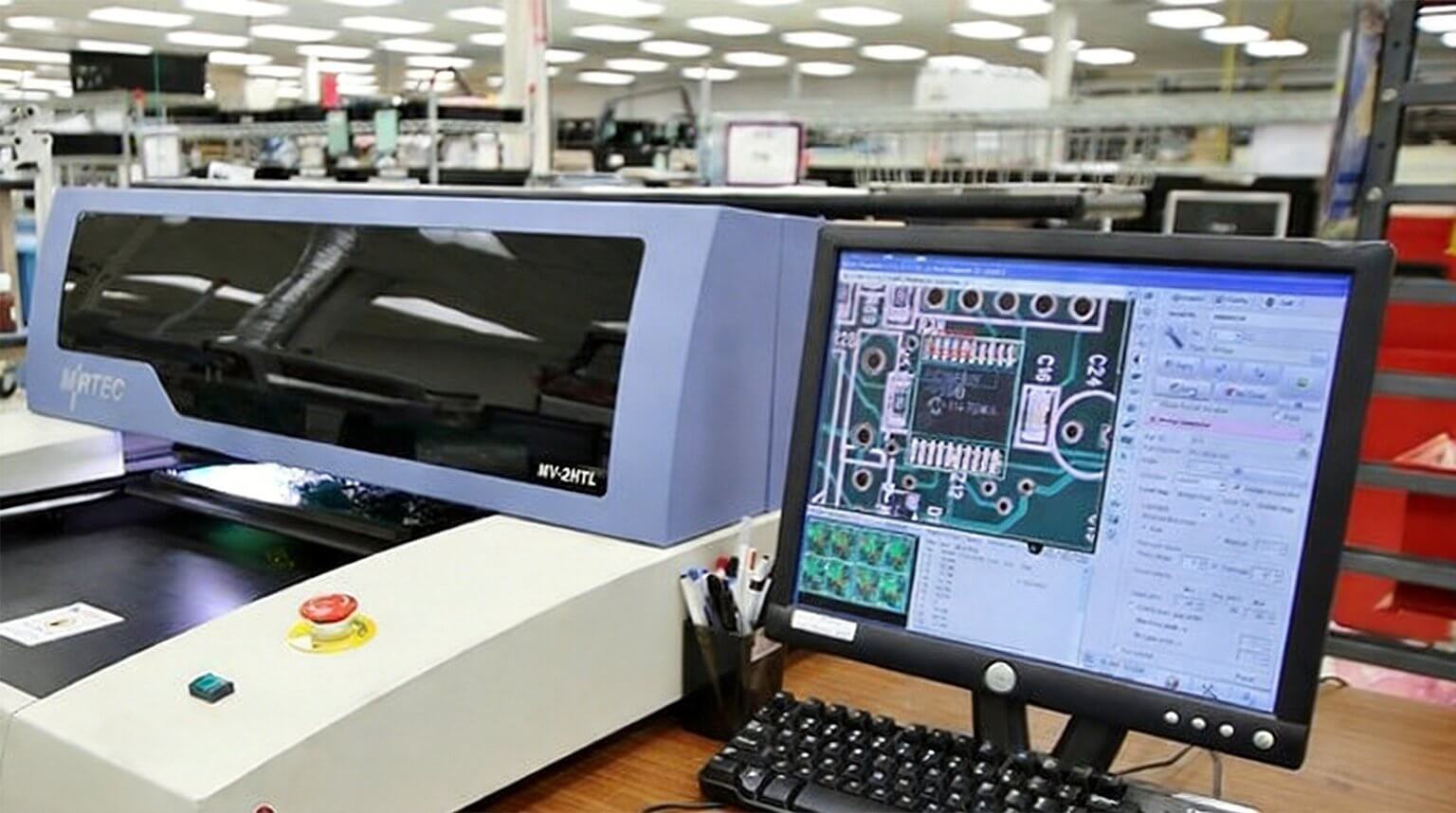
Professional EMS providers, leveraging economies of scale, are better positioned to overcome these barriers. Advanced facilities may employ equipment such as Fuji NXT-3 or Siemens X4 placement systems, achieving placement accuracy of ±0.03 mm. Combined inspection systems—including 3D SPI, AOI, and X-ray inspection—enable defect rates to be controlled below 50 PPM.
For automotive and medical-grade applications, dedicated process controls are often implemented to meet stringent requirements, such as operating ranges from –40°C to 125°C.
For example, during the development of an automotive ECU mainboard, one automotive electronics company experienced repeated failures in pilot production using an in-house line. After outsourcing to a qualified EMS provider, customized thermal profiles and full-process X-ray inspection reduced defect rates to 20 PPM, enabling successful IATF 16949 certification.
Building an in-house PCB assembly line is time-intensive. From equipment procurement and facility upgrades to personnel recruitment, process validation, and yield optimization, the timeline typically spans 6–12 months.
In fast-moving electronics markets, such delays can result in missed launch windows and lost competitive advantage.
Established EMS providers can rapidly integrate production capacity. Once complete design documentation is provided, prototype samples can often be completed and validated within 3–5 days, followed by small-batch trial production and mass production readiness within 7–10 days.
In one case, an industrial robotics company reduced its control board development cycle to 15 days—from prototype to small-batch delivery—by outsourcing PCB assembly, entering the market three months earlier than originally planned with an internal production line.
Demand in the electronics market is inherently volatile, driven by product launches, seasonal peaks, and industry cycles. In-house production lines suffer from rigid capacity constraints, making rapid scaling difficult and often resulting in idle capacity during downturns.
EMS providers mitigate this challenge by serving multiple customers across diverse product categories, creating a flexible capacity pool. This allows rapid expansion during demand surges and contraction during slow periods—without transferring idle capacity costs to the customer.
For example, a consumer electronics company outsourced PCB assembly to fulfill an urgent order of 50,000 units prior to the Lunar New Year. Once peak demand subsided, order volumes were promptly reduced, avoiding millions in off-season losses associated with maintaining an underutilized in-house line.
PCB assembly often involves thousands of electronic components. For small and mid-sized companies, independent procurement typically results in limited bargaining power and increased exposure to shortages, counterfeit components, or refurbished materials.
EMS providers leverage annual purchasing volumes to establish long-term partnerships with original manufacturers and authorized distributors. This not only reduces procurement costs but also ensures priority access to scarce components. Dedicated supply chain teams monitor market conditions in real time and prepare alternative sourcing strategies in advance.
One smart hardware startup experienced project delays due to semiconductor shortages. After outsourcing to a large EMS provider, global supply chain resources were mobilized to secure materials, allowing the project to proceed on schedule.
PCB assembly encompasses procurement, manufacturing, quality control, logistics, and delivery—any of which can disrupt product schedules if mismanaged.
Through contractual agreements, outsourcing transfers many of these operational risks to the EMS provider. Quality failures, rework costs, and delivery delays are typically governed by service-level agreements and compensation clauses.
As a result, companies can focus internal efforts on product innovation, market growth, and strategic positioning, reinforcing their core competitive advantages.
This is the most critical risk associated with outsourcing. If the selected EMS provider lacks sufficient process capability or a robust quality management system, high defect rates or even large-scale quality failures may occur.
In addition, EMS providers typically serve multiple customers simultaneously. If production priorities are not clearly defined, delivery schedules may be delayed, directly impacting product launch plans. One smart home company experienced a major setback when its outsourcing partner cut corners during assembly, resulting in widespread PCB short circuits. The recall cost reached millions of dollars and caused severe reputational damage.
Outsourcing PCB assembly requires sharing complete design documentation, including Gerber files, BOMs, and test procedures. If confidentiality measures are inadequate, core technologies and sensitive product information may be exposed.
For industries with high technical barriers and intense competition—such as semiconductors, automotive electronics, and advanced medical devices—IP leakage can significantly weaken market positioning and may compromise patent protection or trade secrets.
Some EMS providers offer attractive initial quotations but later increase costs through expedite fees, rework charges, additional testing fees, or change-order costs. If contract terms are not clearly defined, disputes over responsibilities can arise, increasing administrative and communication overhead.
Geographical distance may also introduce hidden costs related to logistics, time-zone differences, and reduced coordination efficiency, all of which should be considered during supplier selection.
Over-reliance on a single EMS provider can place a company in a vulnerable position. If the provider encounters financial difficulties, capacity shortages, or abrupt termination of cooperation, production continuity may be jeopardized.
For highly customized or process-intensive products, switching EMS providers can be time-consuming and costly, underscoring the importance of contingency planning and multi-supplier strategies.
Outsourcing is strongly recommended.
- Limited capital and inability to support heavy asset investments
- Primary focus on product development and market validation
- Outsourcing enables rapid prototyping and small-batch delivery without operational distraction
Selective outsourcing is recommended.
- Outsource products with fluctuating demand or multiple variants
- Consider partial in-house capacity for stable, mature core products
- Achieve balance between cost efficiency and operational control
A hybrid model is optimal.
- In-house production for core, high-end products to protect quality and IP
- Outsource non-core or mid-to-low-end product lines
- Develop relationships with two to three qualified EMS partners to reduce supply chain risk
Well-suited for outsourcing:
- Consumer electronics (e.g., wearables, routers)
- General industrial control modules
- Products with high standardization
- Low-to-medium volumes, multiple SKUs, fast iteration cycles
- High process requirements but moderate confidentiality sensitivity
Less suitable for outsourcing:
- Products with extremely high IP sensitivity (e.g., military electronics, advanced semiconductor packaging)
- Highly customized designs with non-standardized processes
- Ultra-high-volume standardized products (annual demand exceeding one million units), where scale justifies in-house production
Strategies aligned with outsourcing:
- Light-asset, R&D-driven models (technology startups)
- Fast iteration and rapid market entry (consumer electronics brands)
- Diversified product portfolios with flexible operations
Strategies less suited for outsourcing:
- Full vertical integration
- High-security, self-controlled manufacturing
- Ultra-low-cost mass production strategies
If your company meets three or more of the following criteria, PCB assembly outsourcing should be prioritized:
- Core competitiveness lies in R&D, design, or market access—not manufacturing
- Annual PCB assembly volume is below 1 million units or demand fluctuates by over 50%
- Product iteration cycle is under six months
- Lack of an experienced manufacturing management or process engineering team
PCB assembly outsourcing is a strategic decision, not merely an operational one. The right partner can directly influence product quality, delivery reliability, and cost efficiency.
If you are considering outsourcing your PCB assembly projects, PCBCool is a partner worth prioritizing. We provide end-to-end, customized PCB assembly solutions, including:
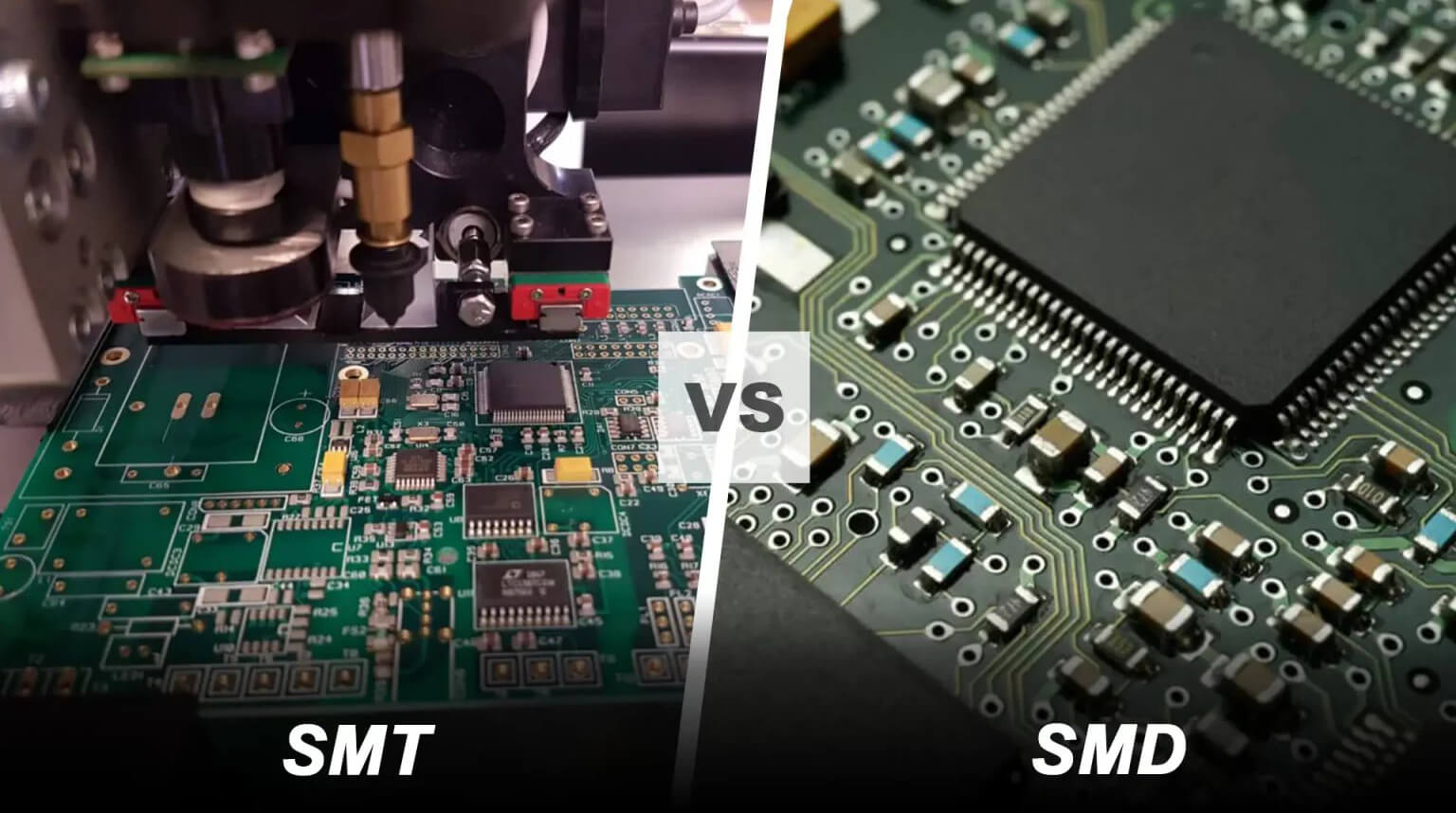
- Full-spectrum PCB fabrication and assembly services, supporting SMT, THT (DIP), and mixed-technology processes
- Professional component sourcing and supply chain management, ensuring traceability, availability, and risk control
- Design review and DFM optimization, improving manufacturability and reducing rework
- Strict quality control systems, including AOI, X-ray inspection, ICT, and functional testing
- Flexible capacity planning, supporting rapid prototyping, pilot runs, and high-volume production
By partnering with PCBCool, you can confidently delegate non-core manufacturing operations to a professional team, allowing you to focus on innovation, growth, and market leadership. Whether you are a startup, a scaling enterprise, or an established industry leader, we deliver tailored outsourcing solutions designed to help you move faster, operate leaner, and reduce risk.