Customers prefer working directly with manufacturers to avoid markups, defects, and traceability issues. This is why PCBCool has become the preferred choice for businesses seeking reliable electronic manufacturing services.
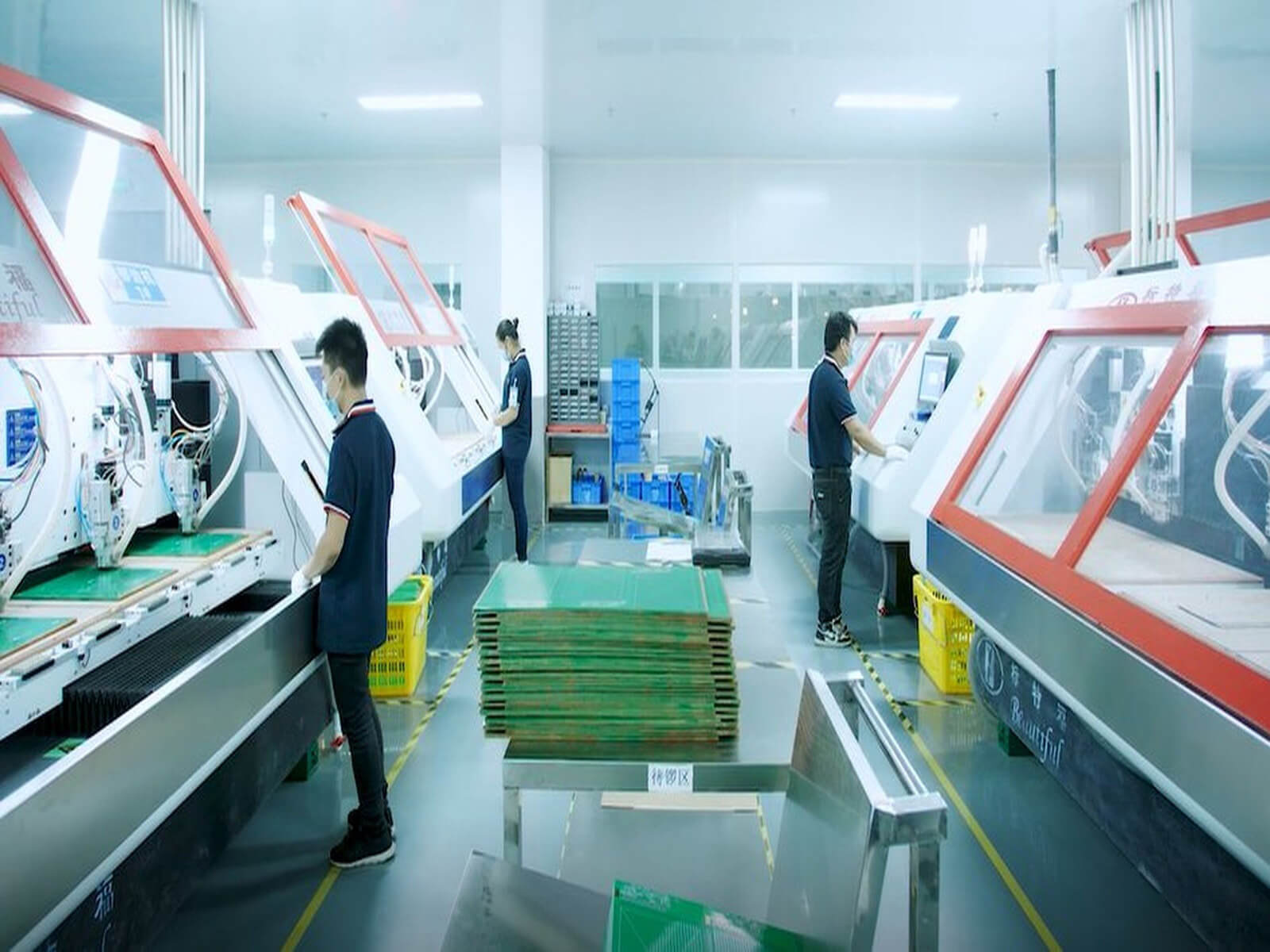
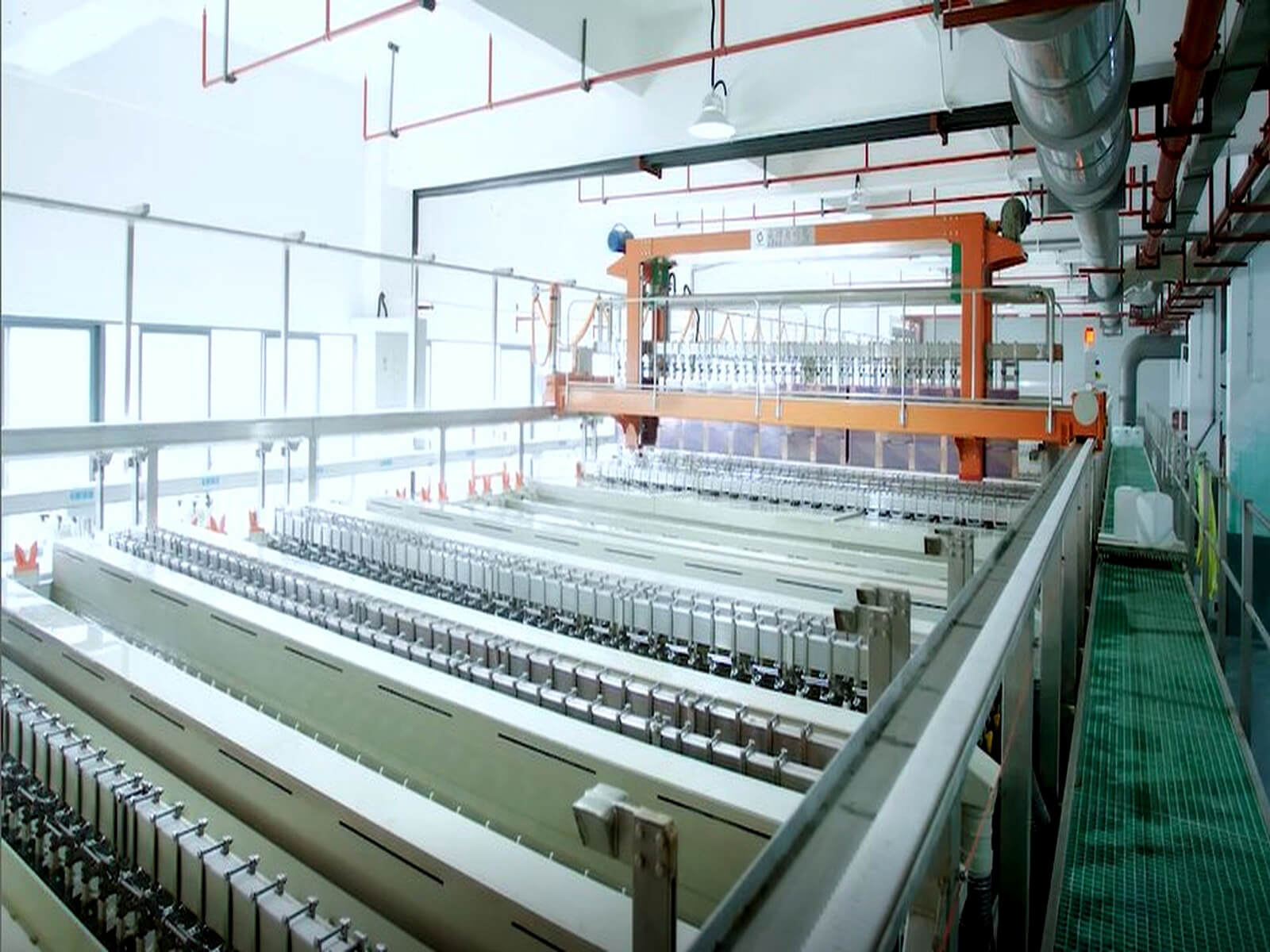
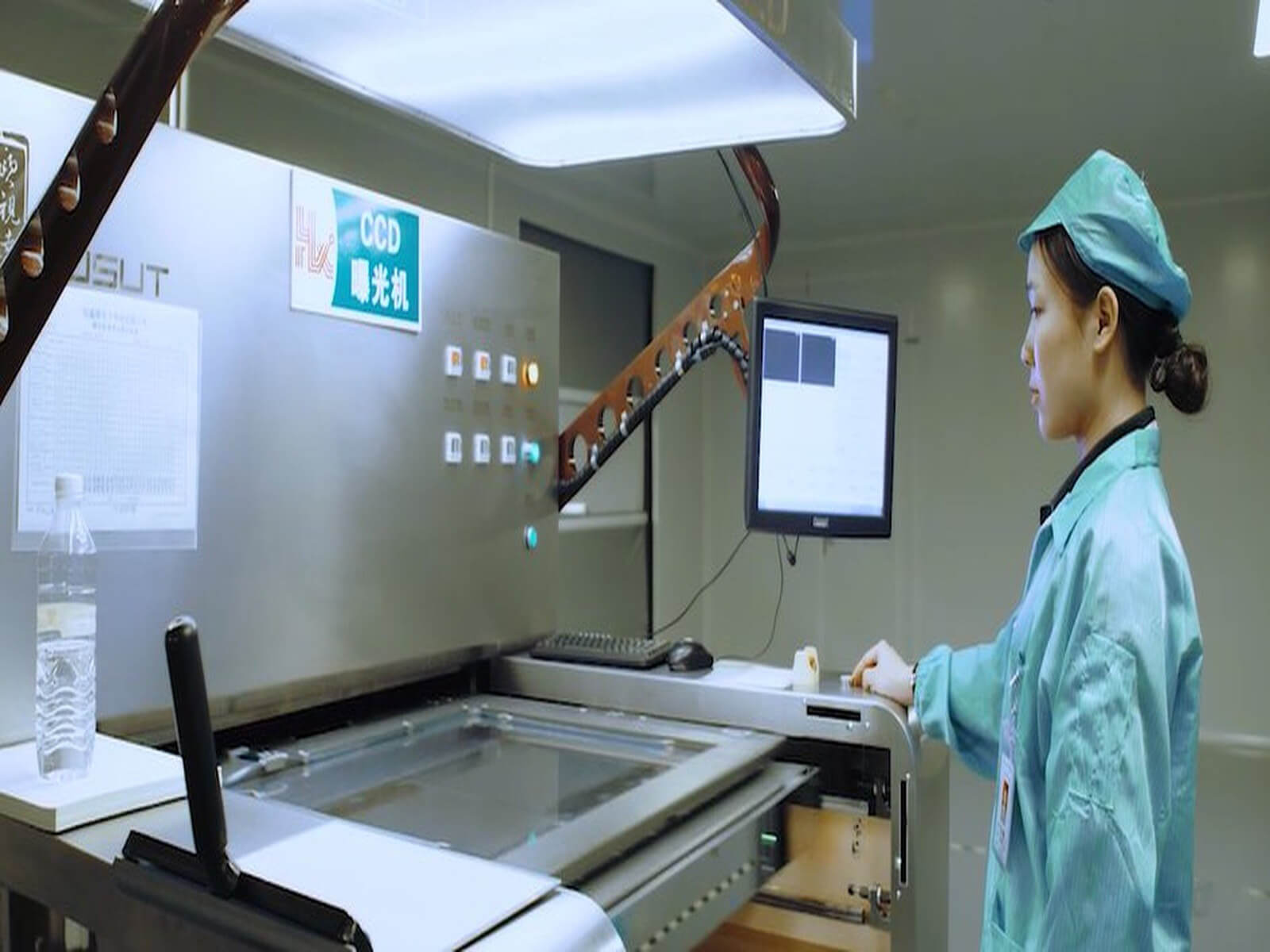
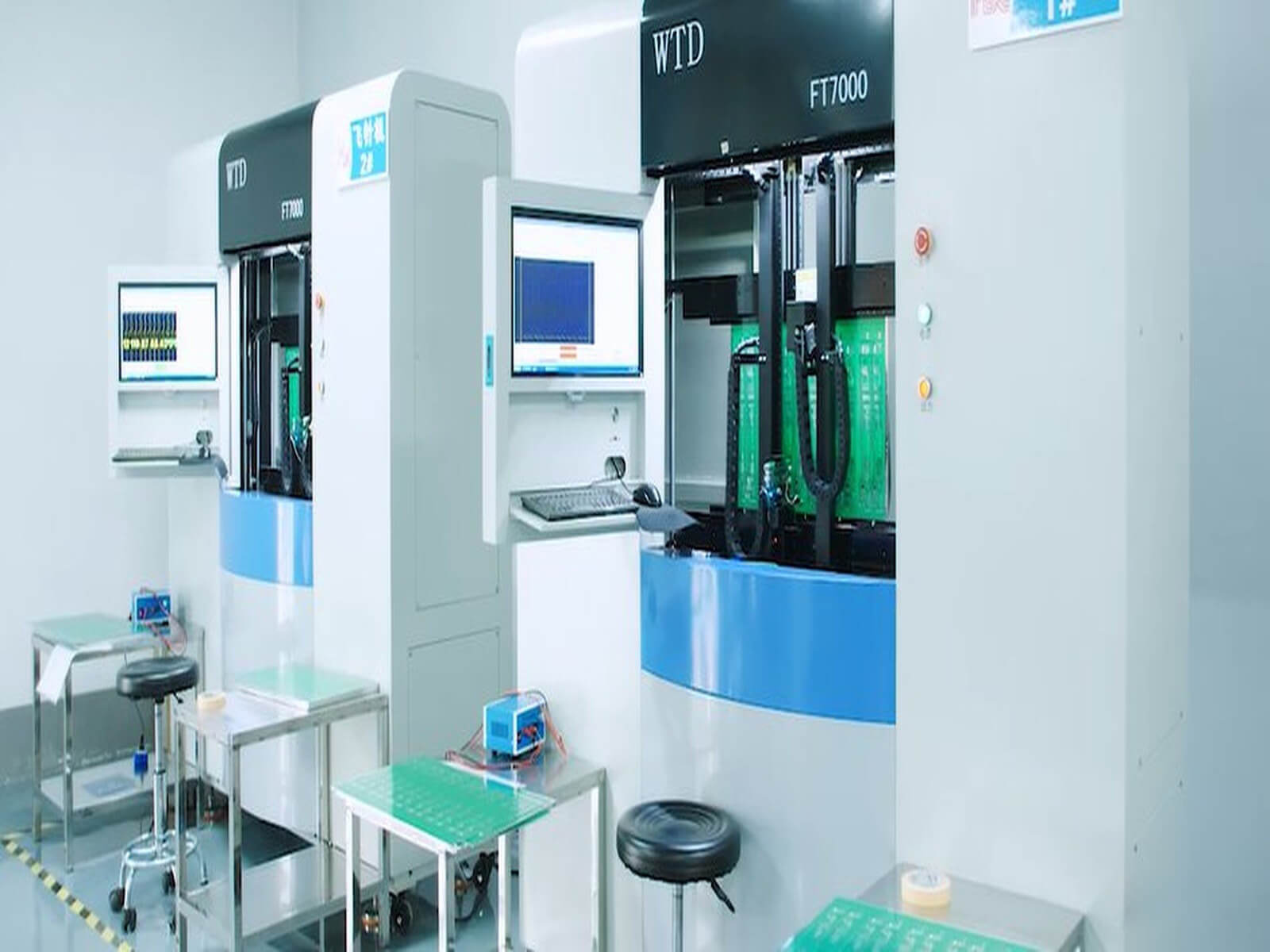
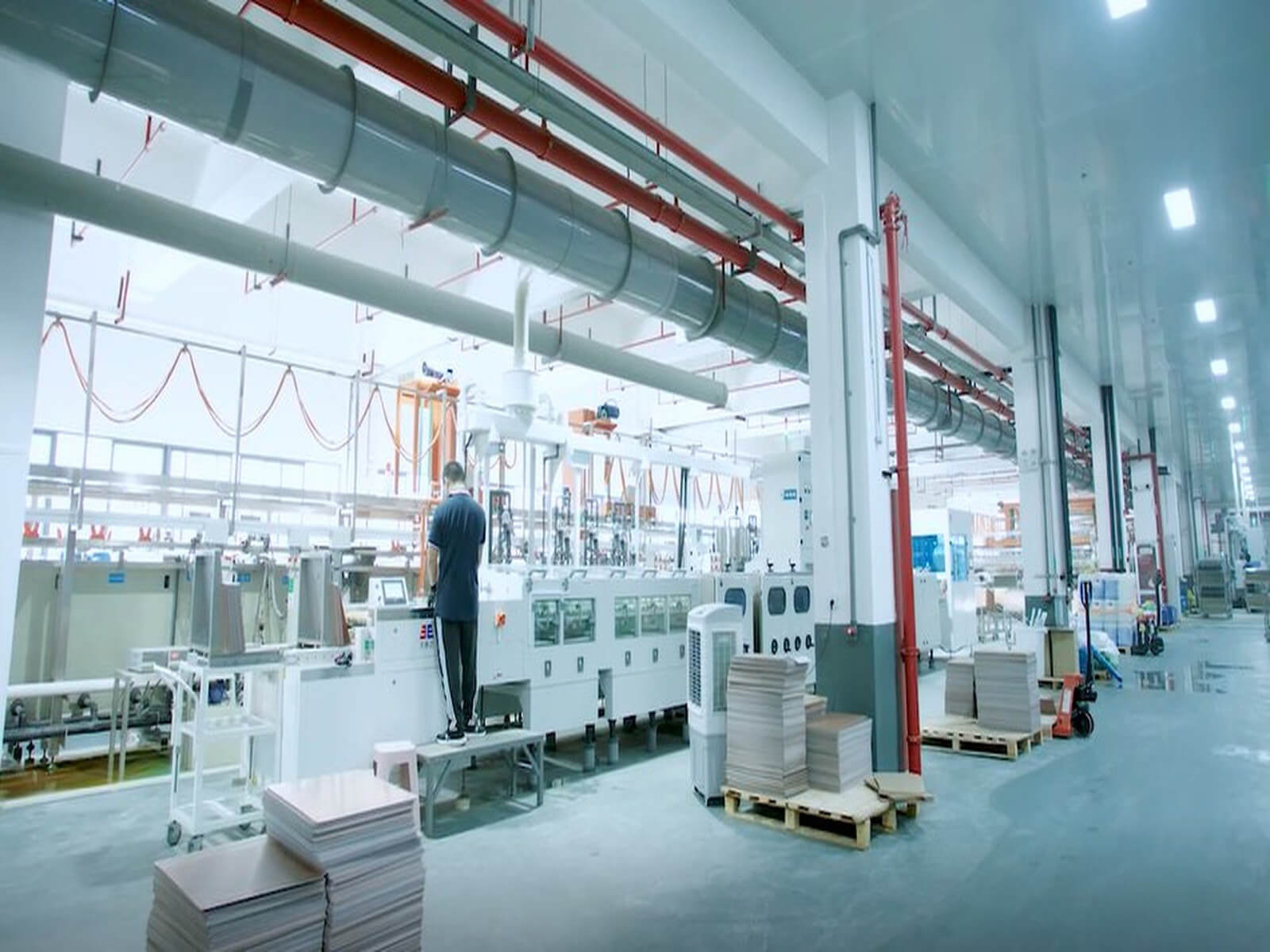
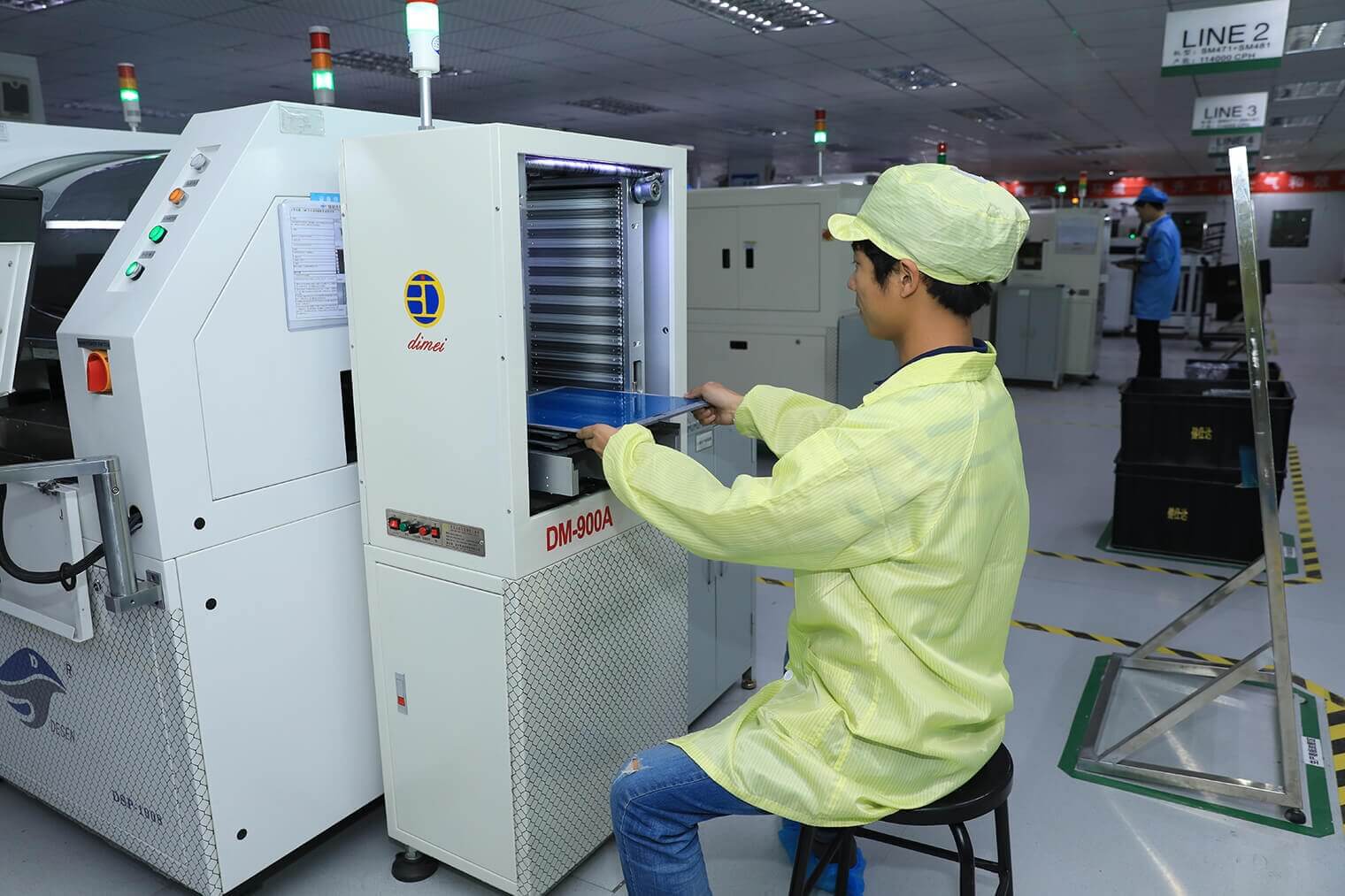
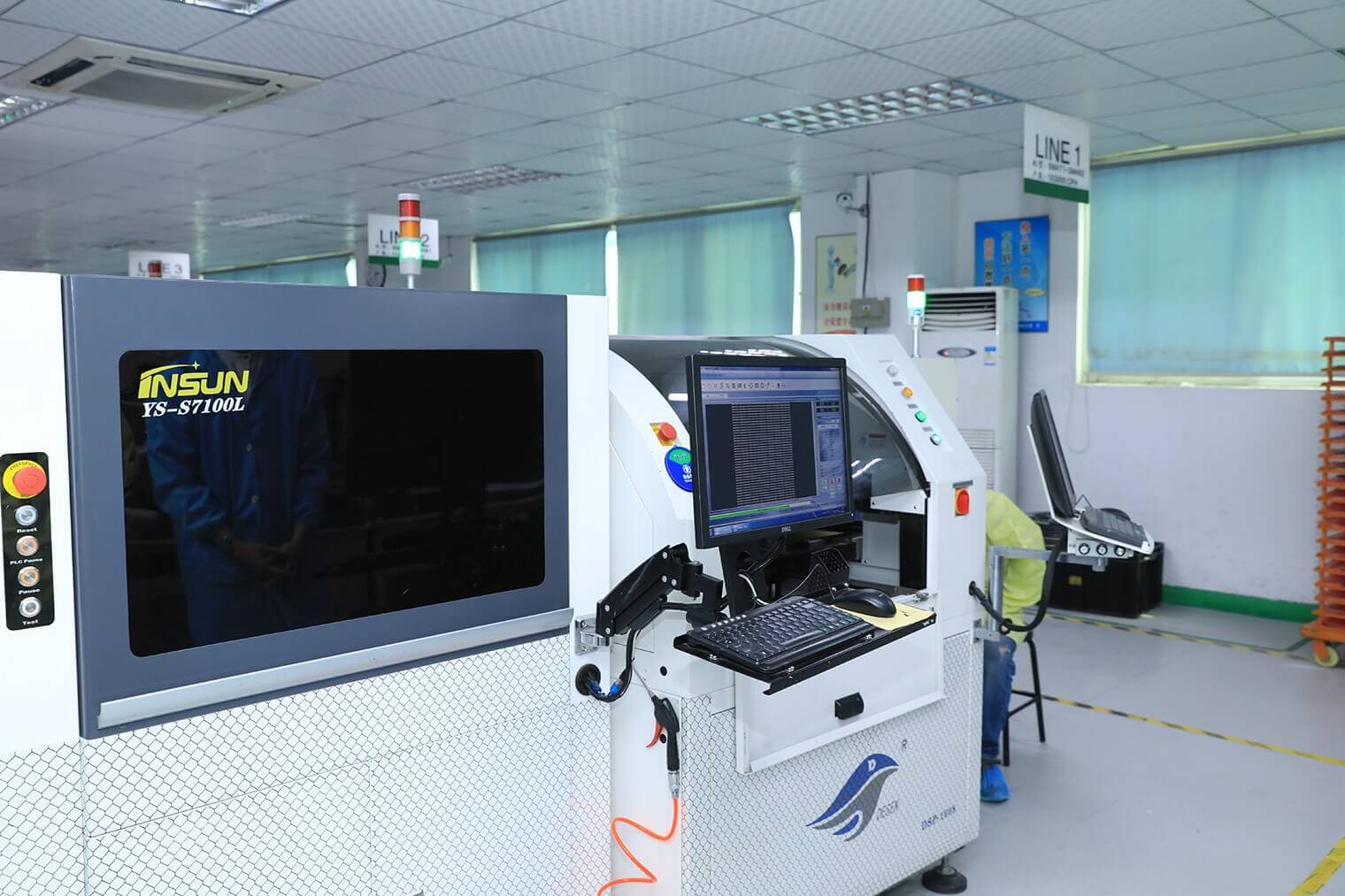
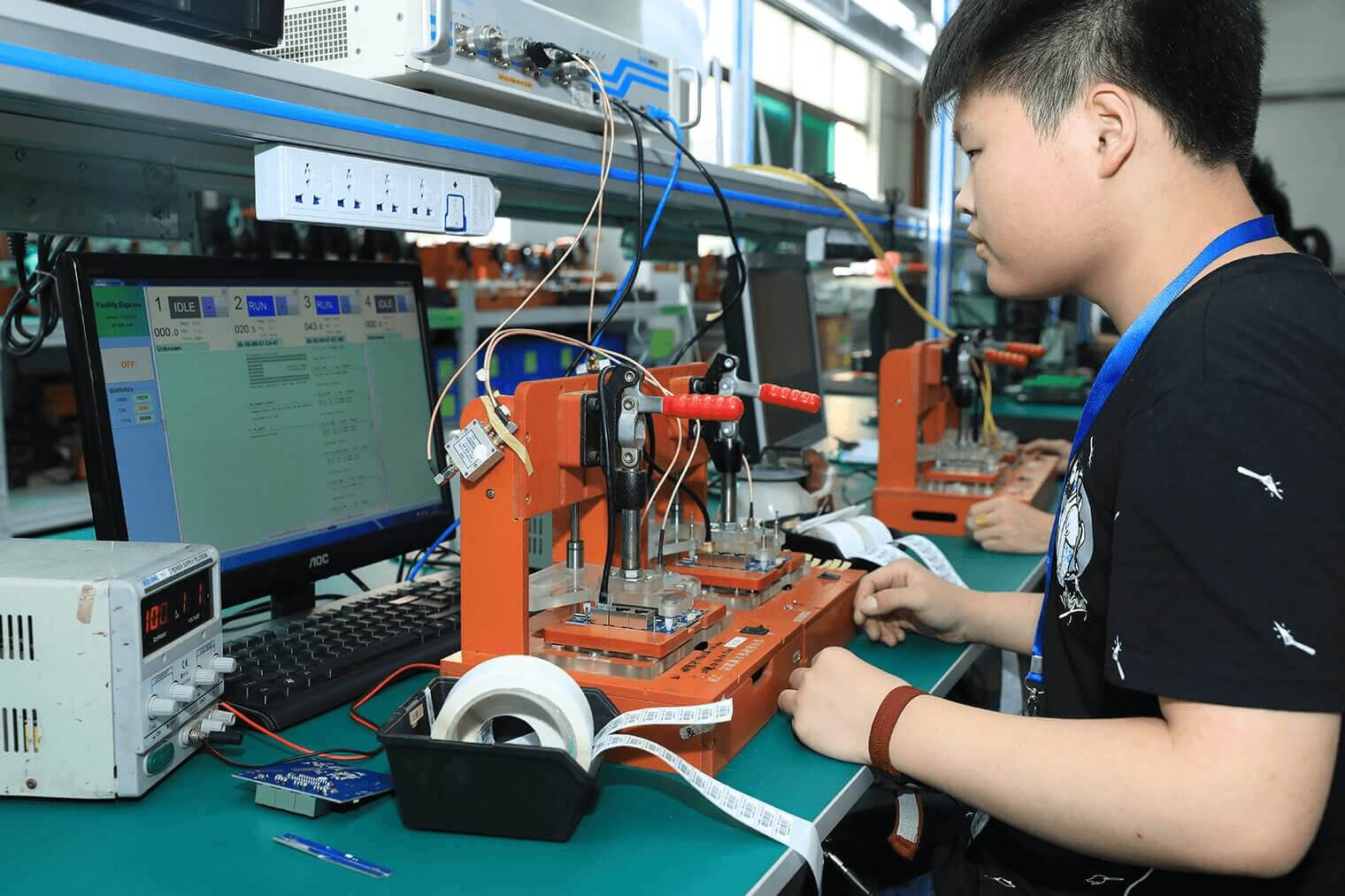
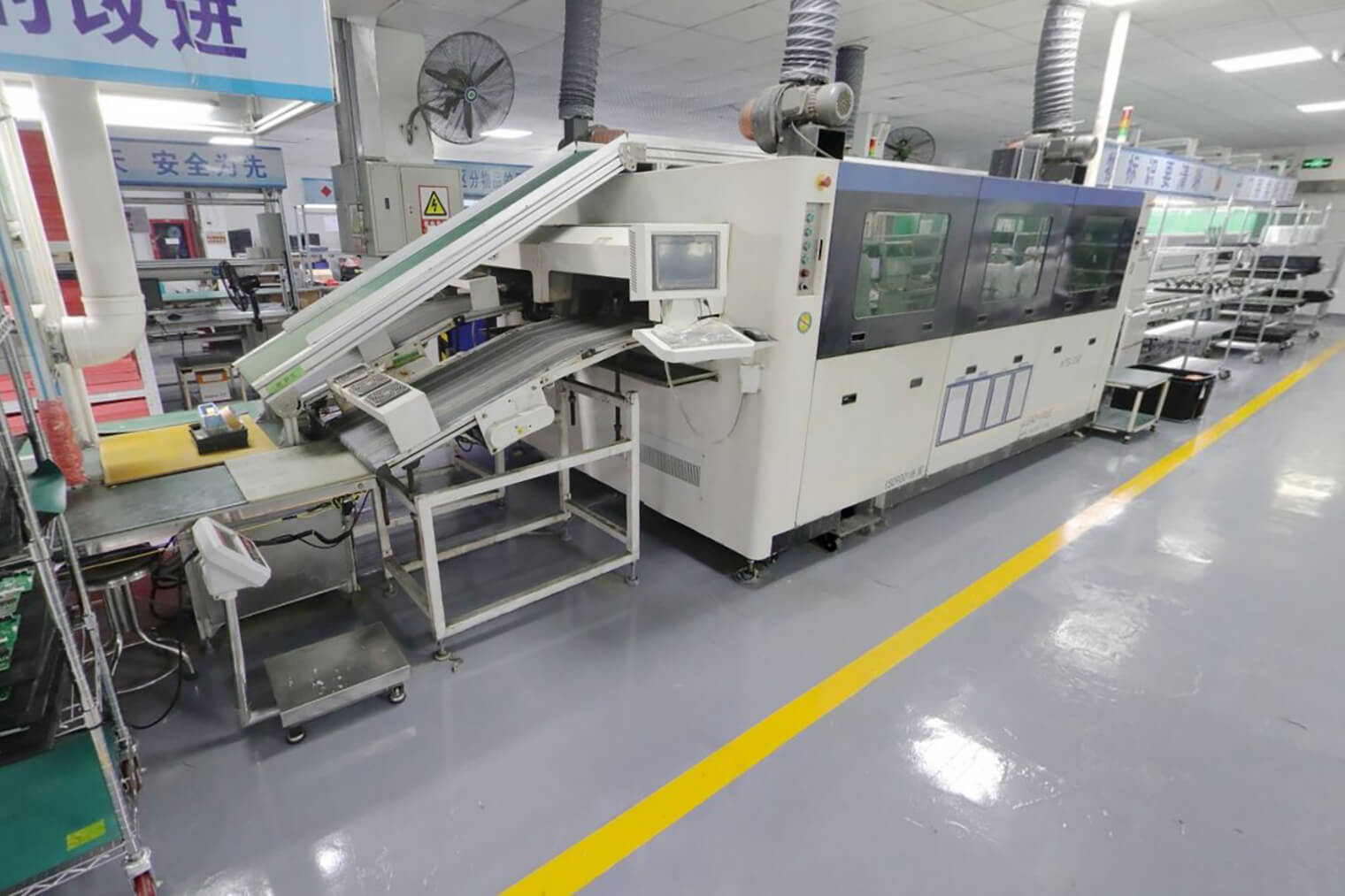
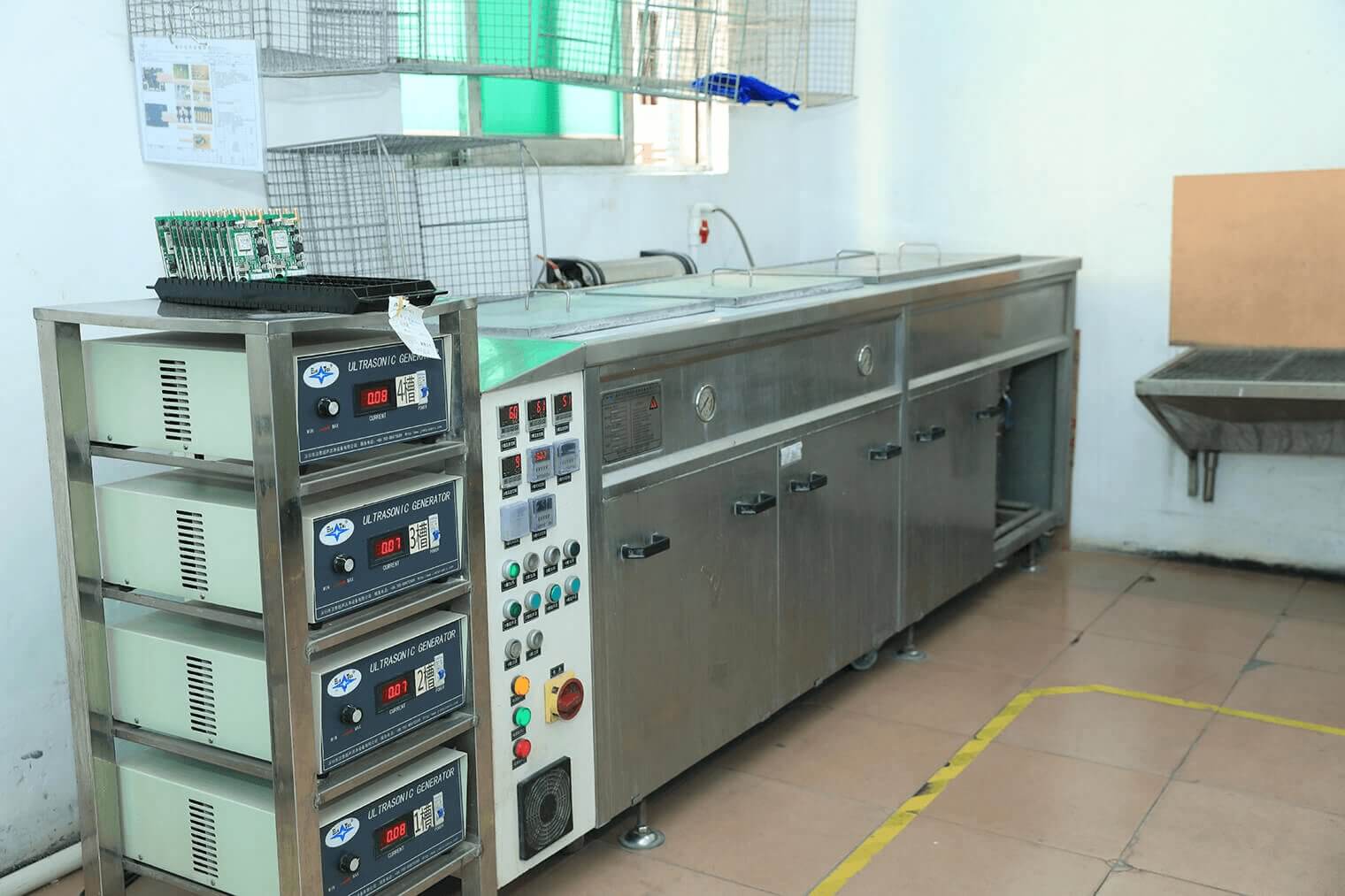
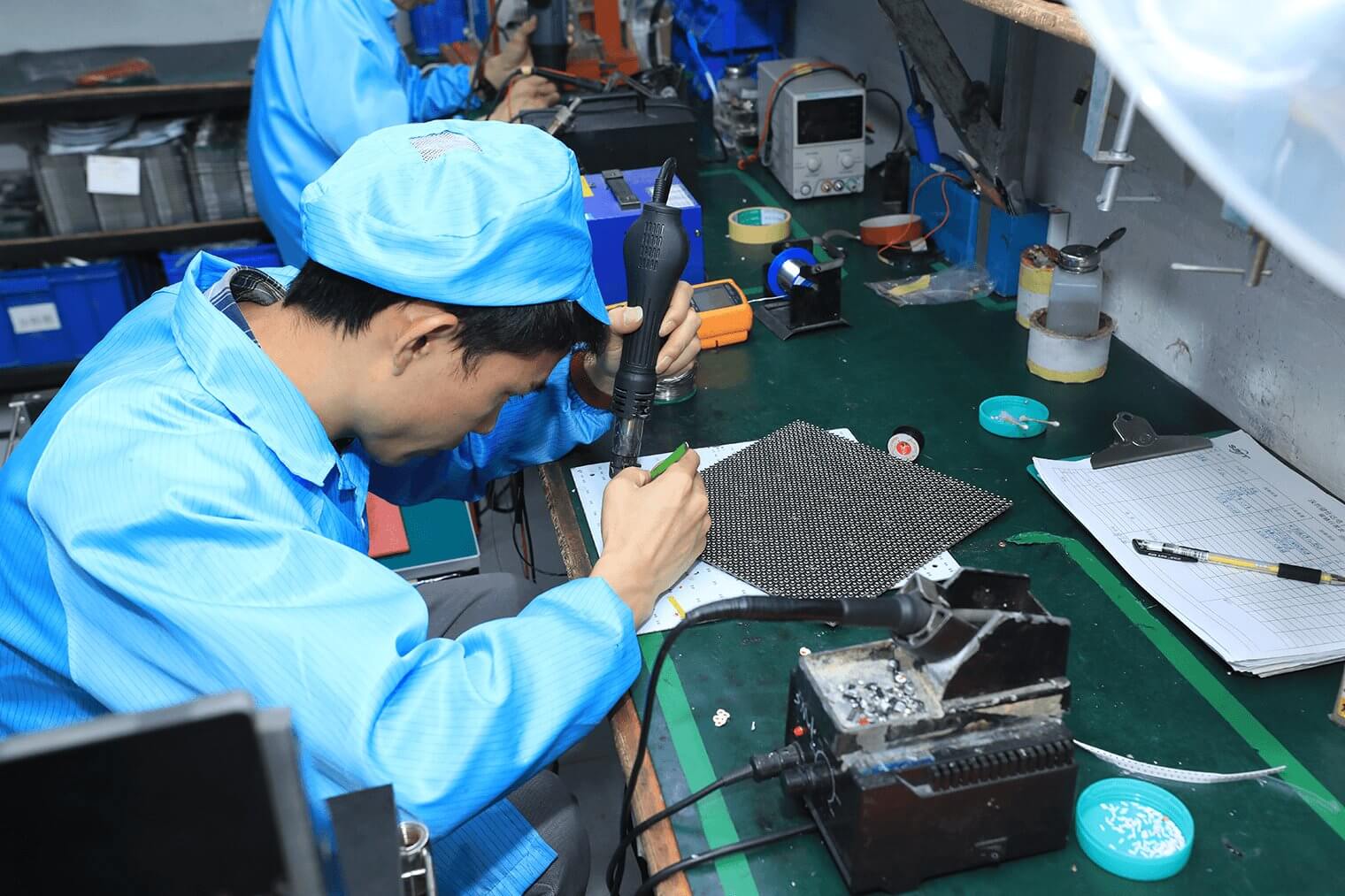
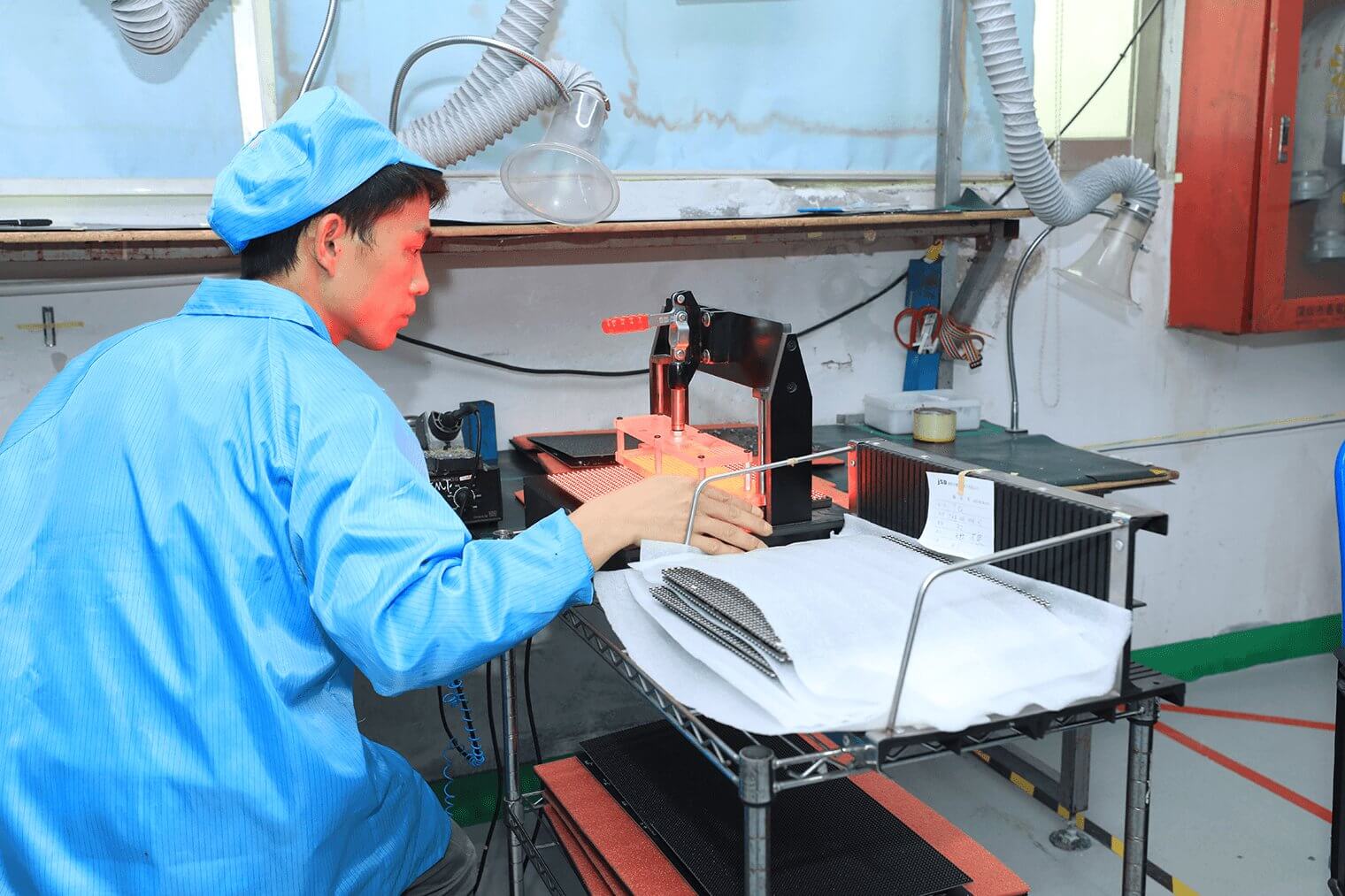
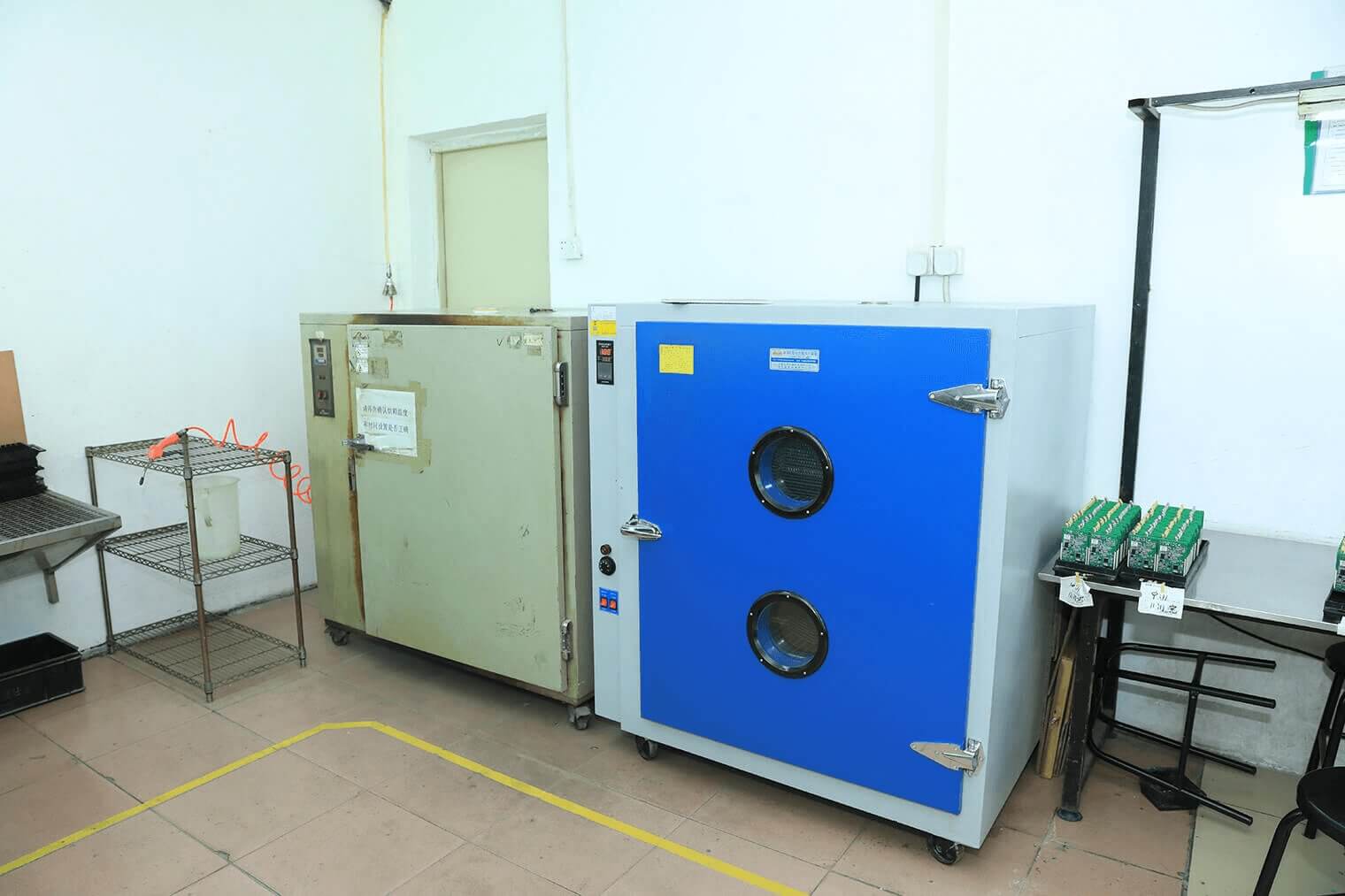
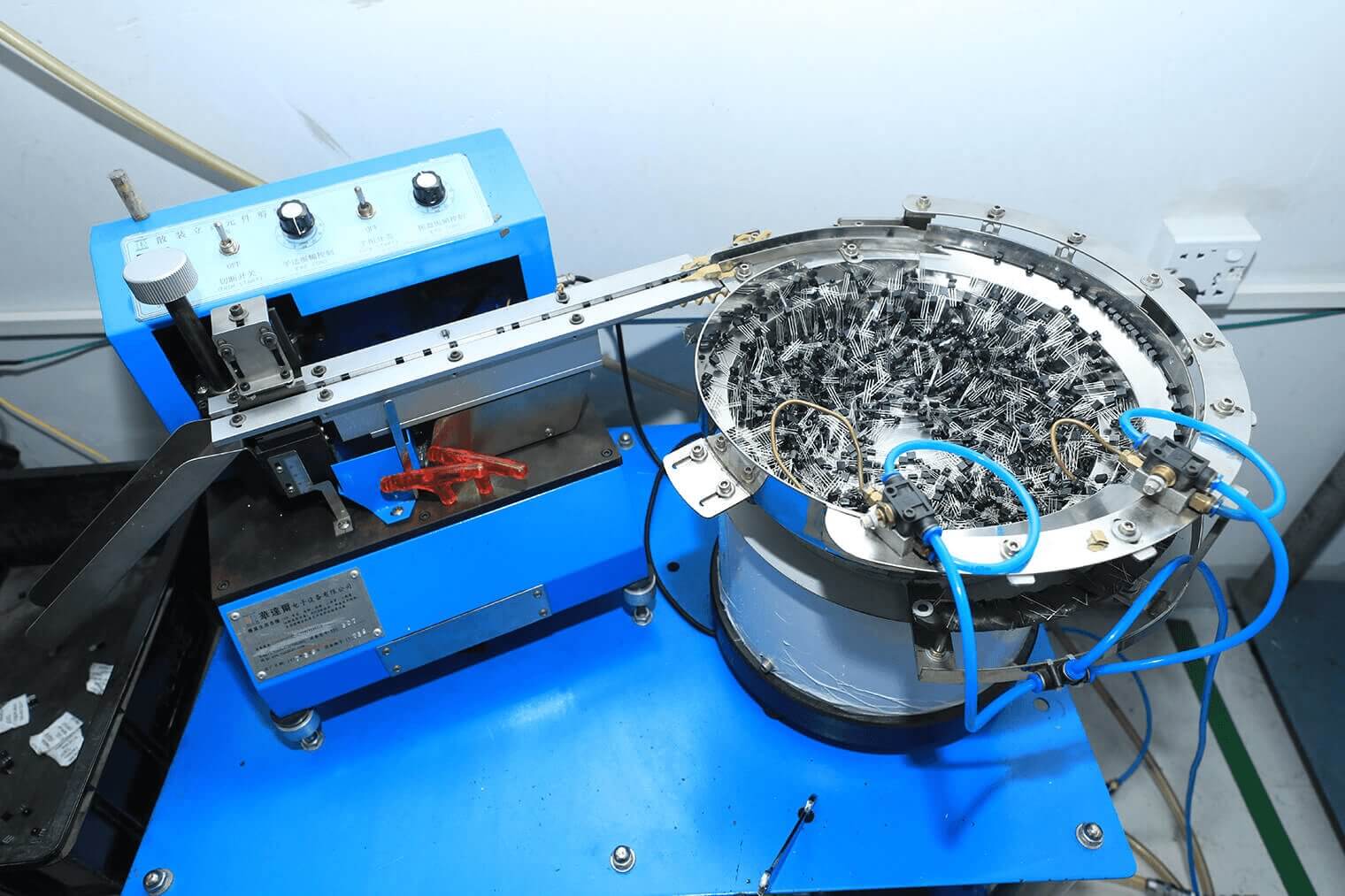
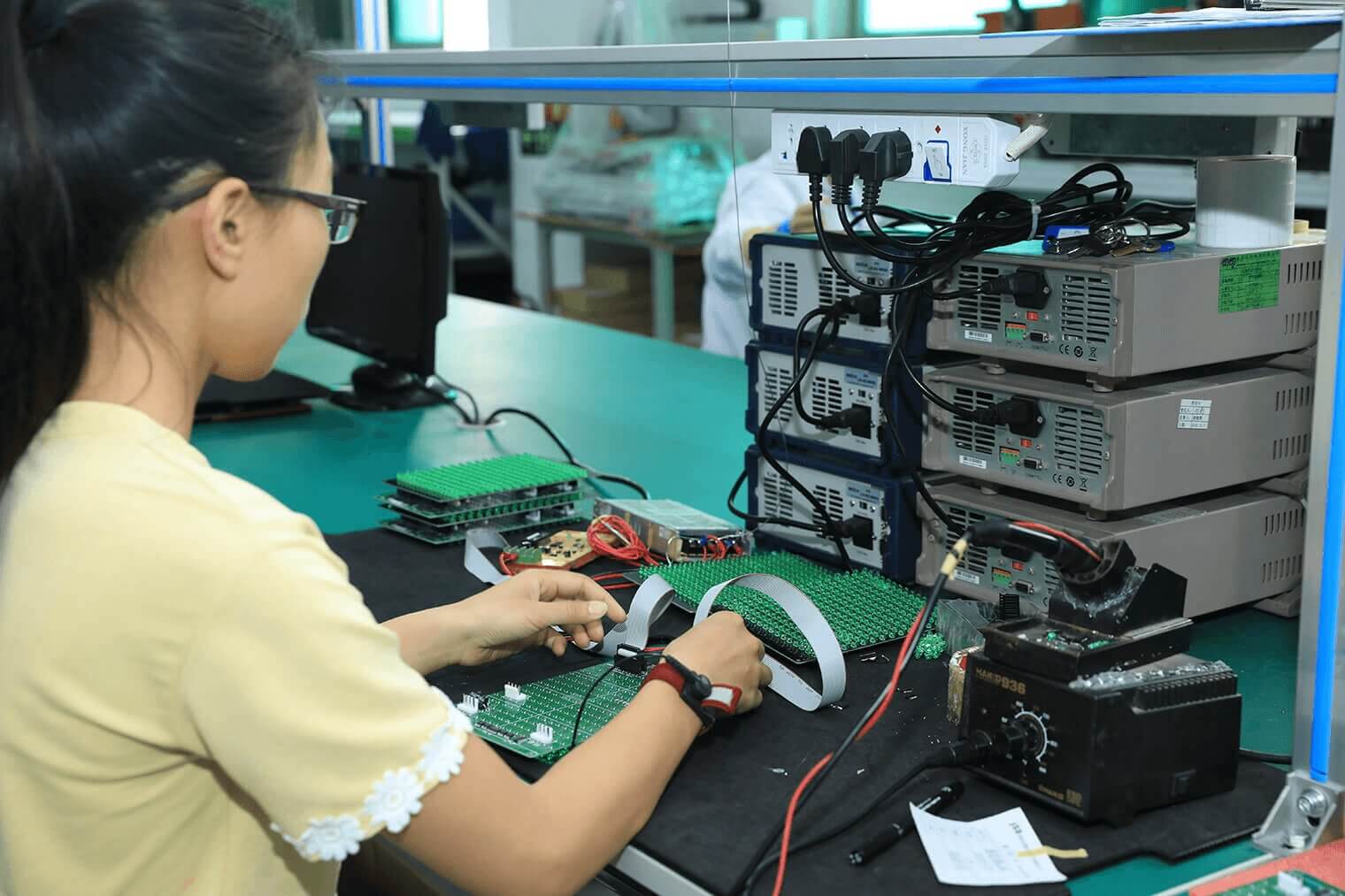
As a true manufacturer, our factories are fully equipped with all the machinery required for complete PCB and PCBA production. From prototyping to full-scale assembly, every step is handled in-house to ensure quality, consistency, and efficiency.
We welcome on-site factory visits, giving customers the confidence to see our capabilities firsthand. If visiting in person isn’t possible, this page allows you to explore our advanced manufacturing equipment virtually and understand the scale and precision of our operations.
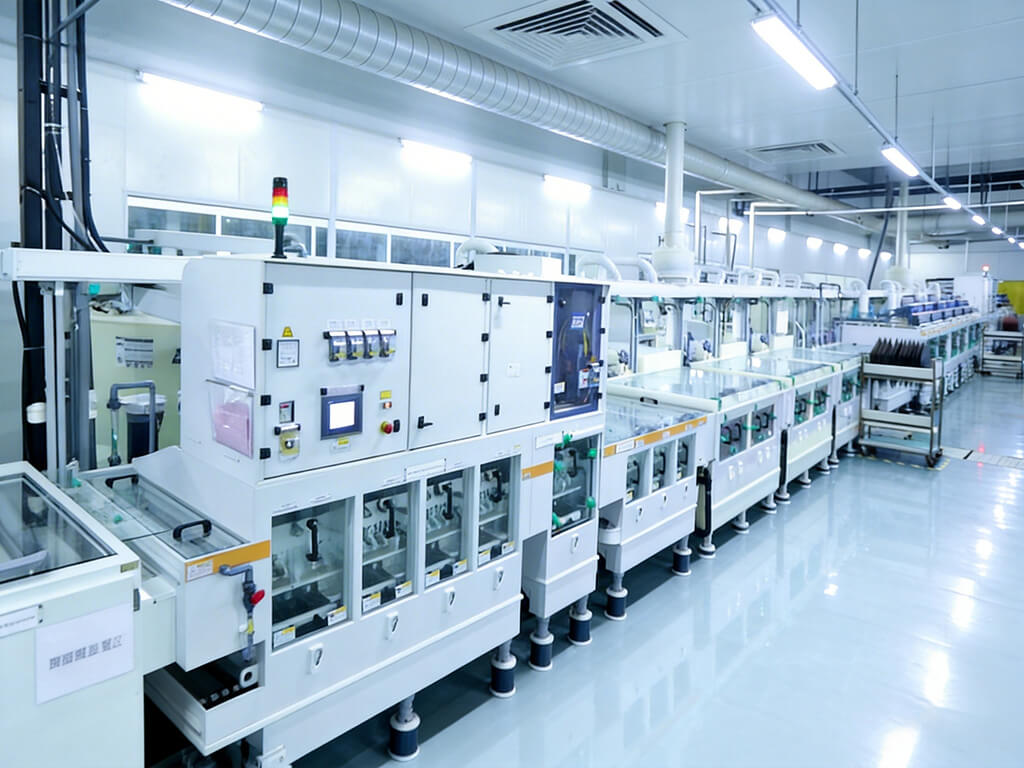
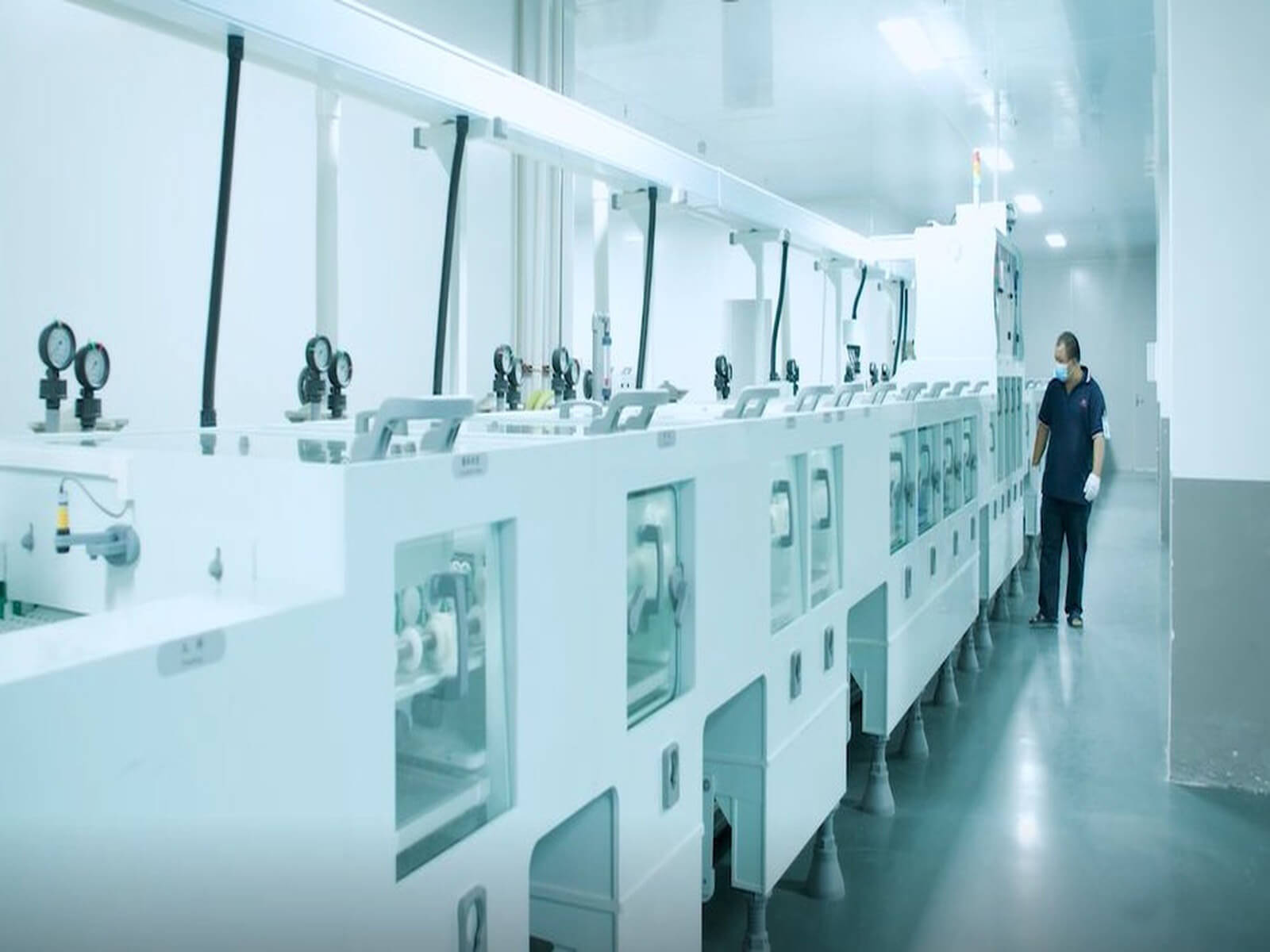
The vacuum etching machine is at the core of PCBCool’s 64 μm trace width and spacing capability. Operating under vacuum and low-pressure conditions, it ensures uniform contact of the etching solution with the PCB surface through rotating sprays or bubble control. This minimizes local over-etching, edge burrs, and copper film damage, making it ideal for high-end PCB projects such as HDI, thick copper, and multilayer PCB.
02
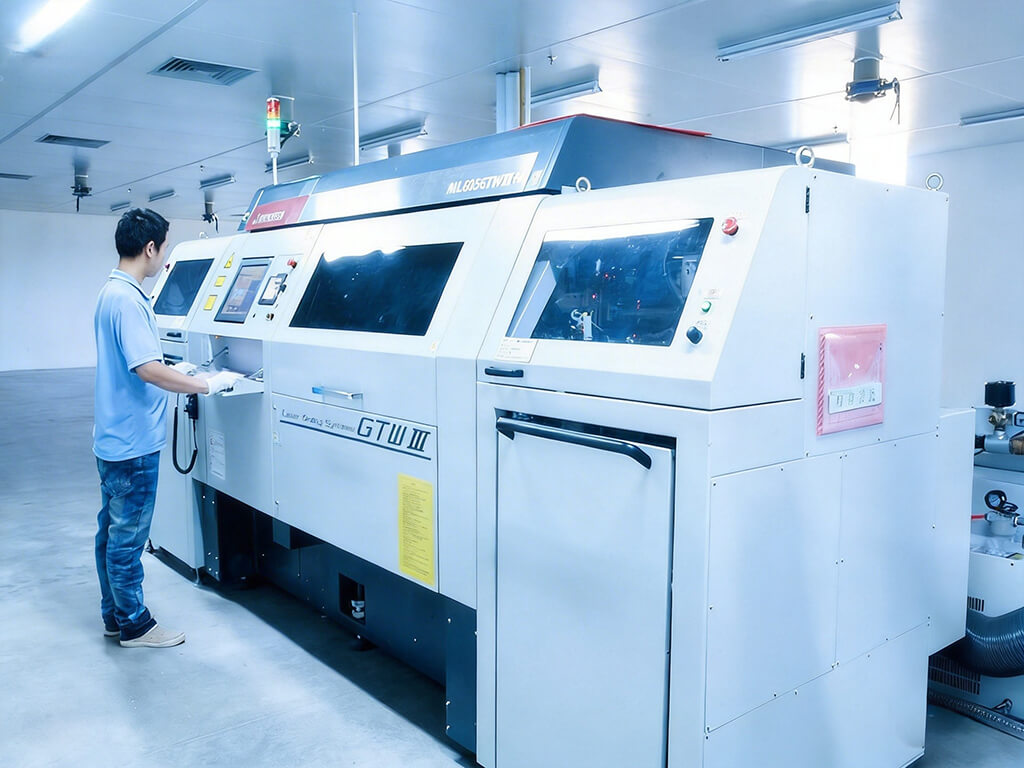
Laser Drilling Machine
The laser drilling machine uses high-energy laser beams to instantly vaporize PCB materials—typically copper-clad laminates or films—without physical contact. It creates holes as small as 0.08 mm with deviations under ±5 μm, supporting precise micro blind vias, buried vias, and other high-precision through-hole processes.
Standard Equipment
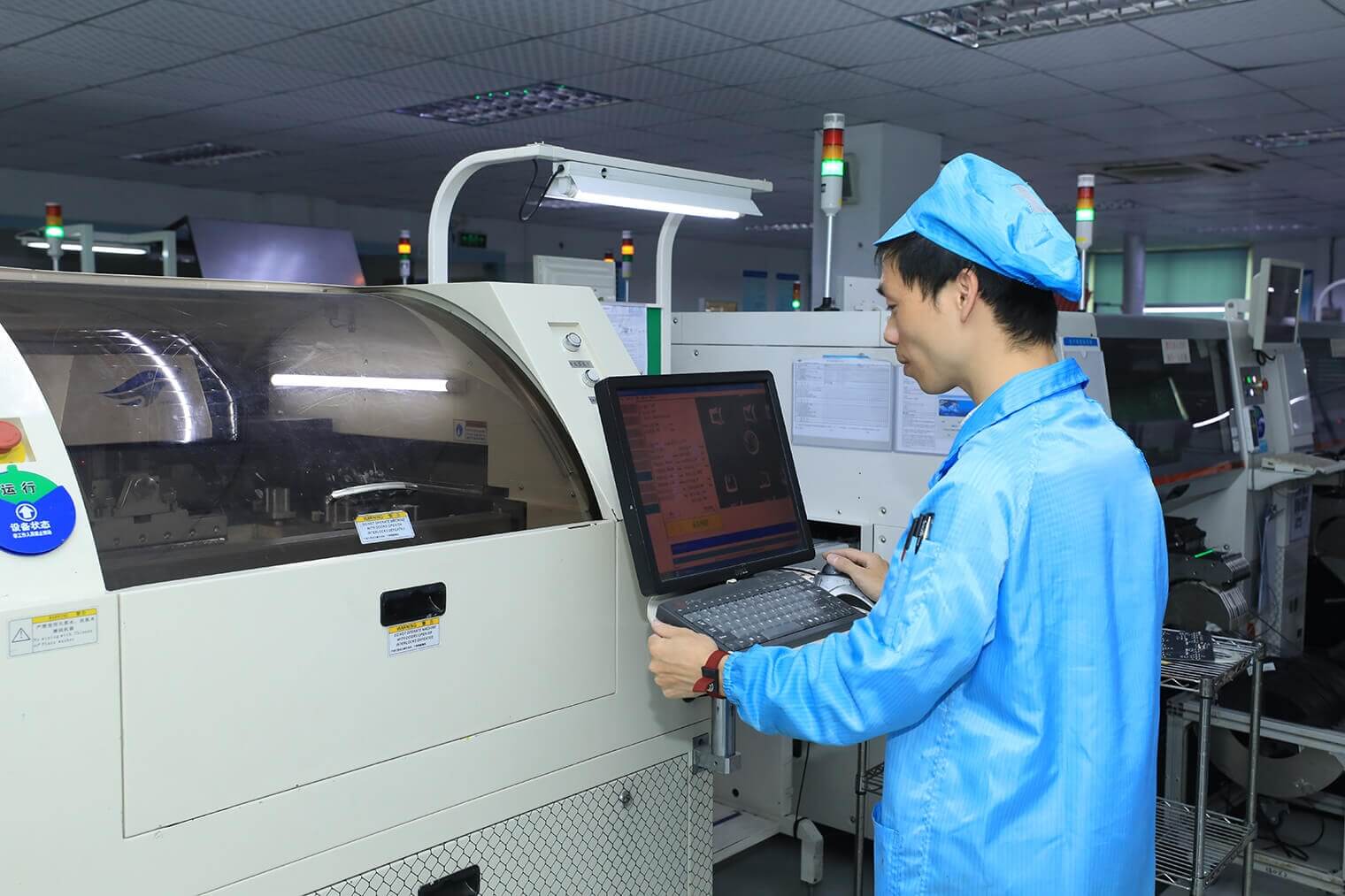
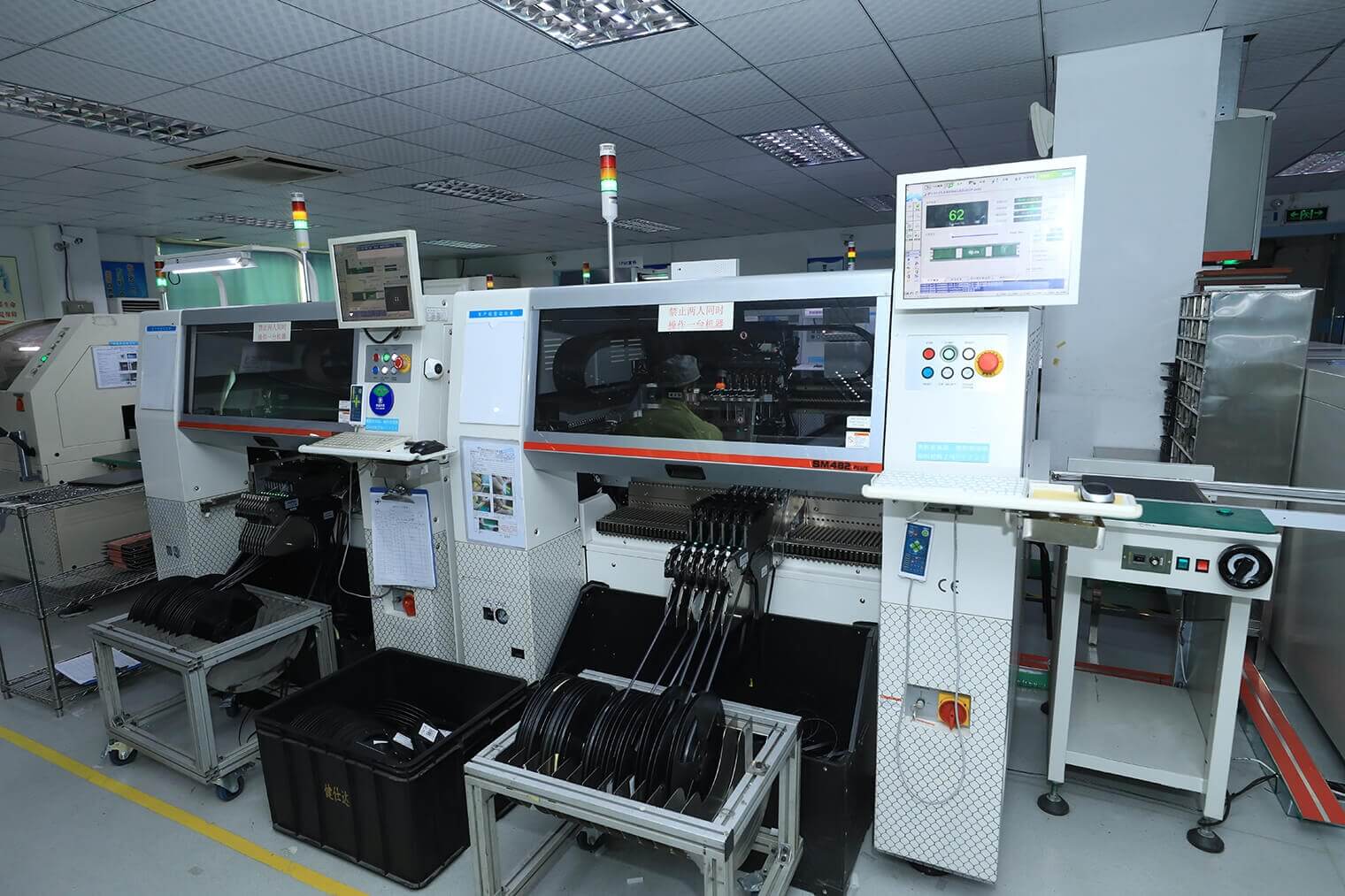
SMT Production Line Equipment
01
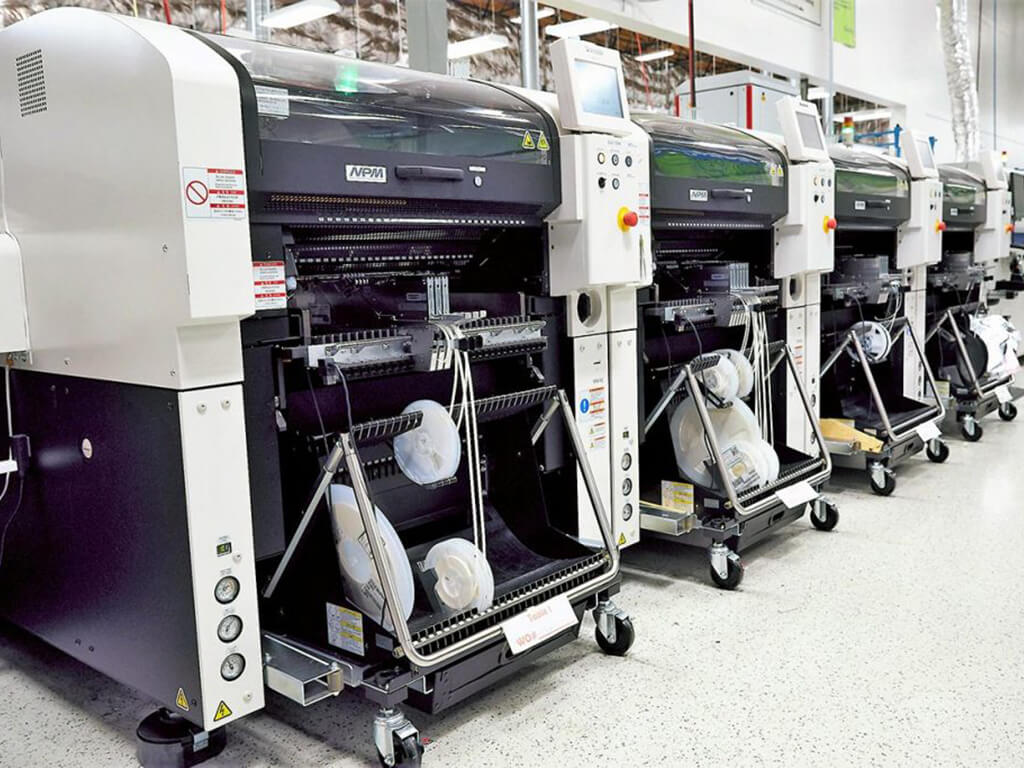
Panasonic NPM-W2 Pick & Place Machine
Maximum placement speed up to approximately 77,000 CPH, with dual-lane support for higher throughput.
High-accuracy mode delivers placement precision of ±25 µm (cpk ≥1.0).
Supports a wide component range, from ultra-small 03015 chips to large connectors.
Handles large PCB sizes up to 750 × 550 mm.
Advanced 3D multi-recognition technology integrates alignment, thickness, and coplanarity inspection.
02
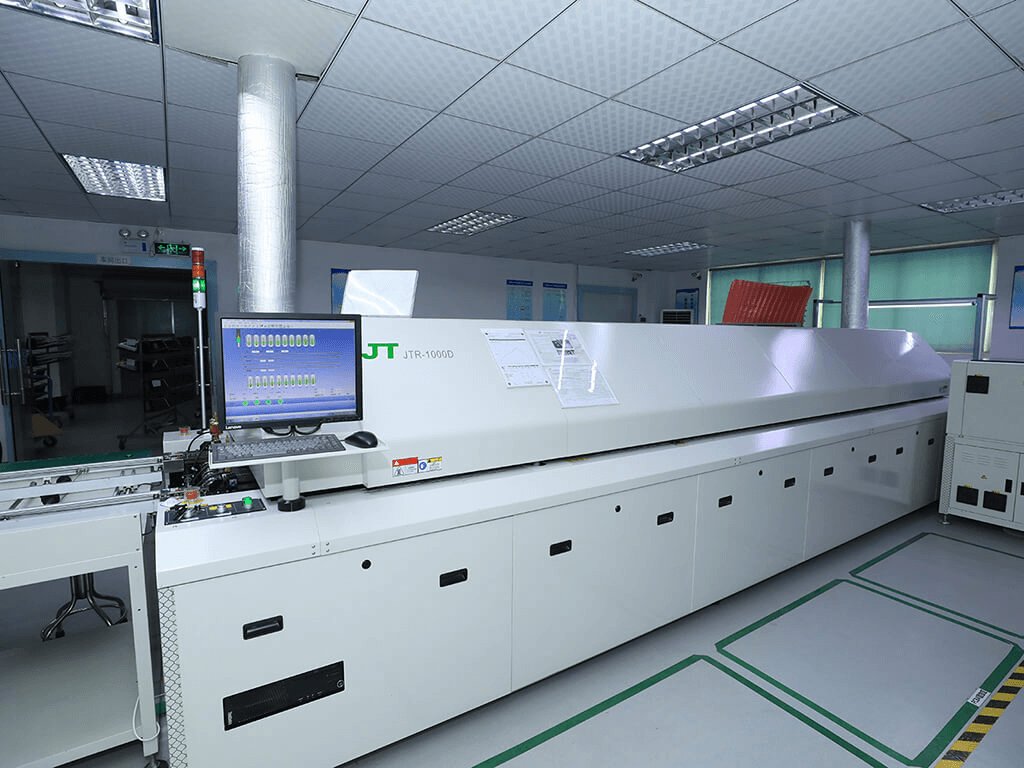
JTR-1000D Reflow Oven
Equipped with 10 heating zones, each featuring independent PID temperature control.
Fully compatible with lead-free soldering processes, including SAC305 alloys.
Supports nitrogen reflow soldering for enhanced solder joint quality.
Industrial-grade hot-air convection system ensures consistent thermal performance.
Easily integrates with various pick-and-place machines, SPI, and AOI systems.
Standard Equipment
More Equipment
PCBCool Global Network
China
Manufacturing Footprint
PCB Sichuan: 50,000+ ㎡ (538,237 sqft)
PCBA Shenzhen: 7,000 ㎡ (75,347 sqft, dual sites)
Capacity Overview
PCB: approx. 110,000 ㎡ / month
SMT: approx. 350,000 placements / day
DIP: approx. 10,000 units / day
Testing: approx. 25,000 units / day
Malaysia
Manufacturing Footprint
Area: 8,270 ㎡ (89,000 sqft)
Total Staff: 233 (183 production, 50 engineering & management)
Capacity Overview
SMT: two shifts, approx. 12 million placements / day
DIP: two shifts, approx. 475 million components / day
Q1: Why Is It Important to Understand a Manufacturer’s Factory Equipment?
A: Equipment capability directly determines manufacturing accuracy, product consistency, and scalability, making it a critical factor when evaluating a supplier.
Q2: Do All Projects Use the Same Level of Equipment?
A: No. Production lines and equipment configurations are matched to each project’s specific requirements, such as precision and volume, to achieve an optimal balance between cost and quality.
Q3: Can I Visit PCBCool’s Factories Onsite?
A: Yes. Factory visits are encouraged, and a dedicated account manager will guide you through the facility and explain our capabilities in detail.
Q4: Can PCBCool Provide End-to-End Services From Design to Final Assembly?
A: Yes. PCBCool supports turnkey, semi-turnkey, consignment, and other flexible cooperation models, covering the full manufacturing lifecycle.
Q5: Which Industries Does PCBCool Serve?
A: We serve a wide range of industries, including medical, LED, consumer electronics, industrial control, automotive, and defense, with more than 5,200 completed projects.
Q6: Does PCBCool Hold Industry-Specific Certifications?
A: Yes. In addition to ISO 9001 and ISO 14001, we hold IEC 62031 for LED products and ISO 13485 for medical devices, among others.
Q7: What Types of PCB Materials and Structures Can PCBCool Manufacture?
A: We support nearly all PCB types, including rigid, flexible, rigid-flex, FR4, Rogers, and metal-core boards.
Q8: Can PCBCool Handle High-Density and Small-Package Component Assembly?
A: Yes. Our SMT capability supports components as small as 01005 and BGA with pitches down to 0.25 mm.
Q9: Can PCBCool Support Projects With Very Tight Lead Time Requirements?
A: Yes. PCB prototypes can be completed within 12 hours, and PCBA prototypes within as fast as 3 days.
Q10: Does PCBCool Support Low-Volume or Pilot Production?
A: Yes. We provide a complete manufacturing path from NPI and samples to low-volume and mass production.
Q11: How Does PCBCool Ensure Product Consistency?
A: Product consistency is ensured through automated equipment, standardized processes, and strict process control, minimizing human variation.
Q12: Does PCBCool Have In-Process and Post-Assembly Inspection Capabilities?
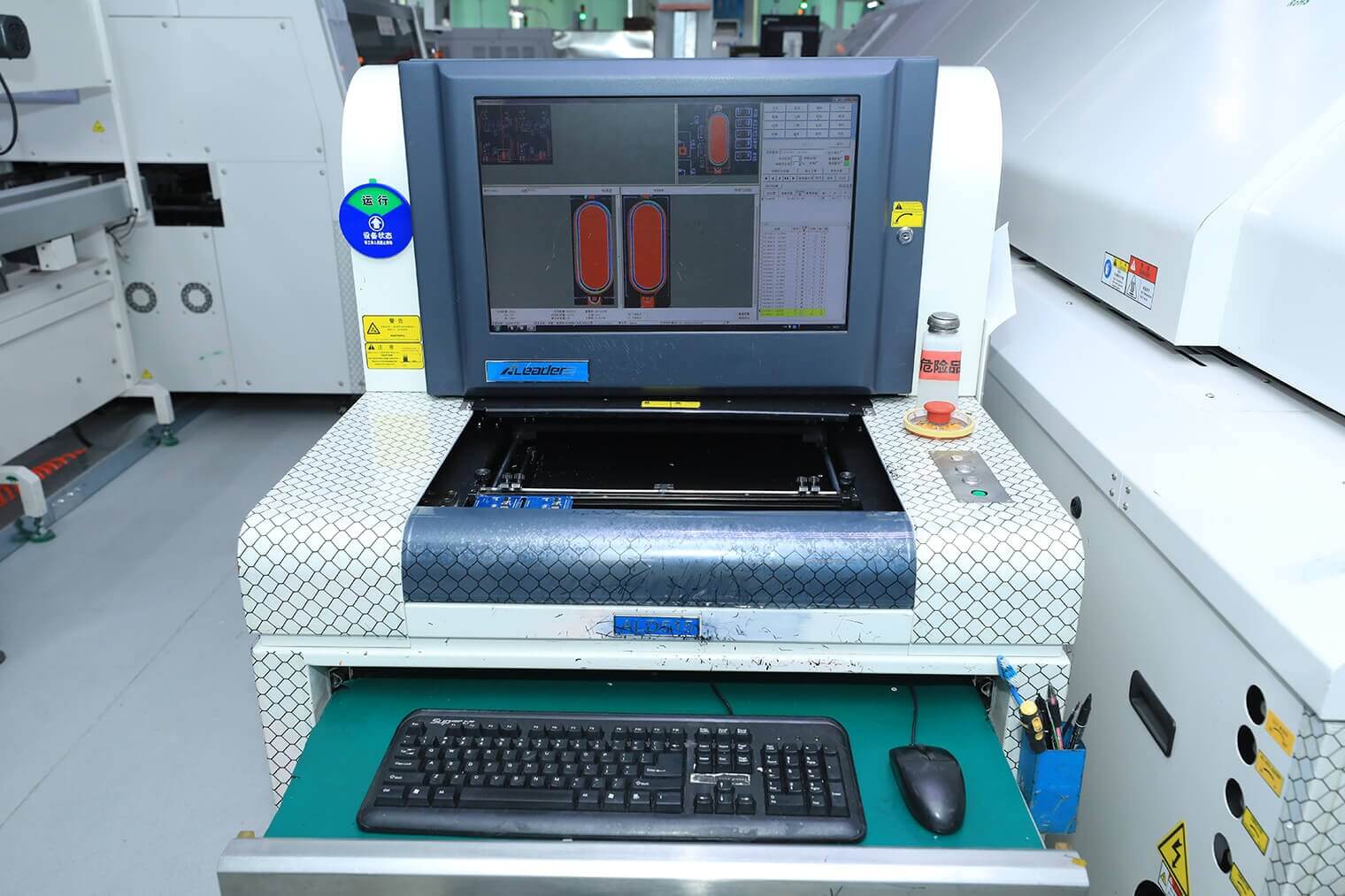
A: Yes. All factories are equipped with SPI, AOI, and functional testing capabilities.
Q13: Why Does PCBCool Operate Factories in Multiple Countries?
A: This global footprint helps reduce lead times, mitigate logistics risks, and support customers’ global supply chain strategies.
Q14: Can Production Be Transferred Between PCBCool Factories in Different Countries?
A: Yes. We have proven experience in cross-site production transfer, including engineering validation and volume ramp-up.
With PCBCool, You Get More Than Assembly
you get a partner committed to zero defects, global compliance, and lasting reliability.