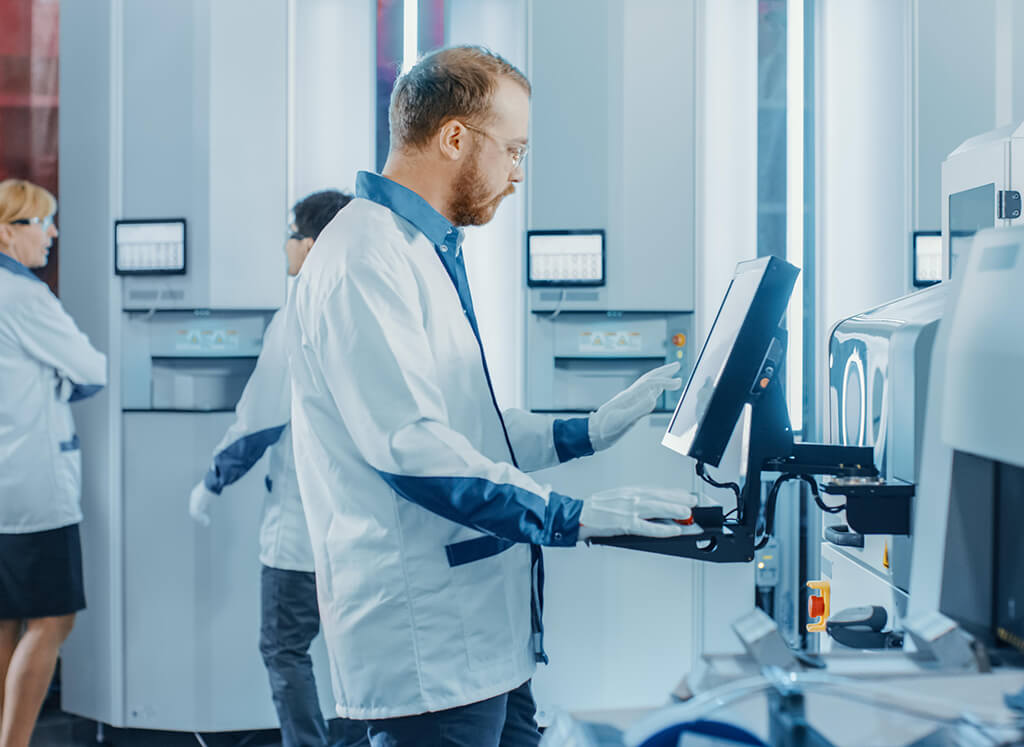
banner下面提交表单 (#30)

20+ Years Of Prototyping Experience

In the early stages of electronic product development, prototyping is more than producing samples—it is a test of engineering judgment. PCBCool supports OEMs and innovative companies that require both rapid time-to-market and consistent engineering reliability.

To meet these demands, we operate a dedicated engineering and R&D team of 177 professionals, spanning hardware design, PCB fabrication processes, DFM/DFA analysis, component selection, signal integrity, and system integration.

At PCBCool, prototyping is valued not just for speed, but for the certainty it brings through engineering expertise. Through structured prototyping and rigorous technical assessment, we help customers reduce trial-and-error cycles, accelerate decisions, and move into production with greater confidence and control.

PCBCool Prototyping Service Highlights

Tailored product finishes

Bare PCB Prototyping

  • 1–4 Layer PCBs In As Fast As 12 Hours
  • Complex Multilayer PCBs (Up To 40 Layers) In 24 Hours
  • Support For Flexible, Metal Core, HDI, RF, And Microwave PCBs
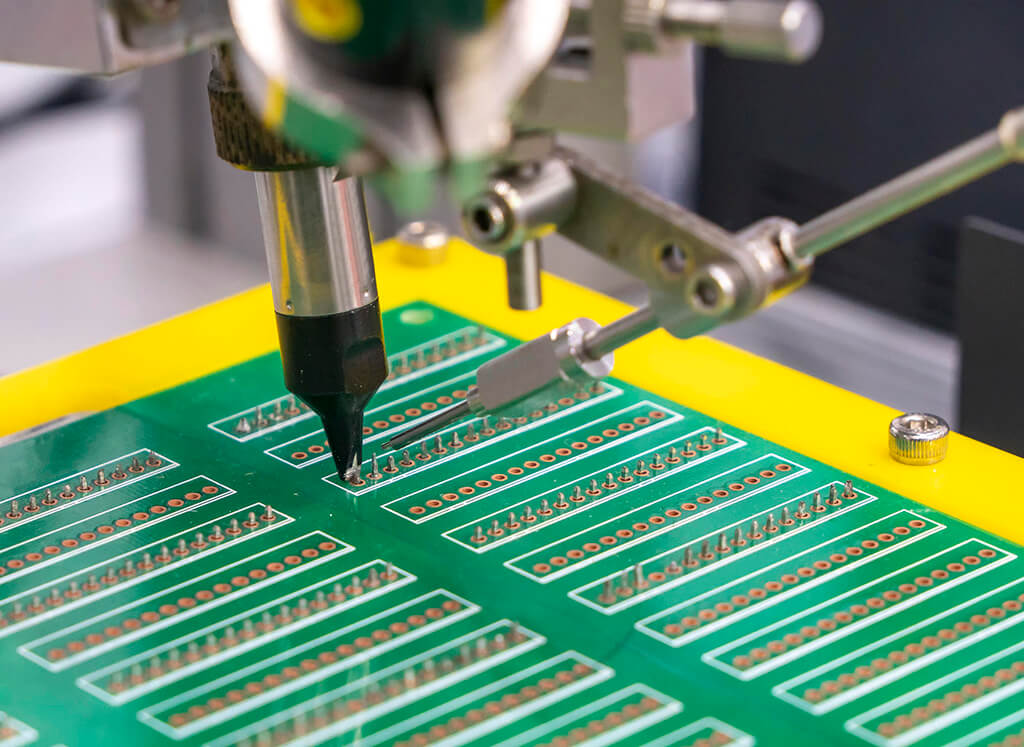
  • Flying Probe Test, AOI, And TDR Inspection Available
3 competitive pricing

PCBA Prototyping

  • 3-Day Turnaround For Projects Using Stocked Components
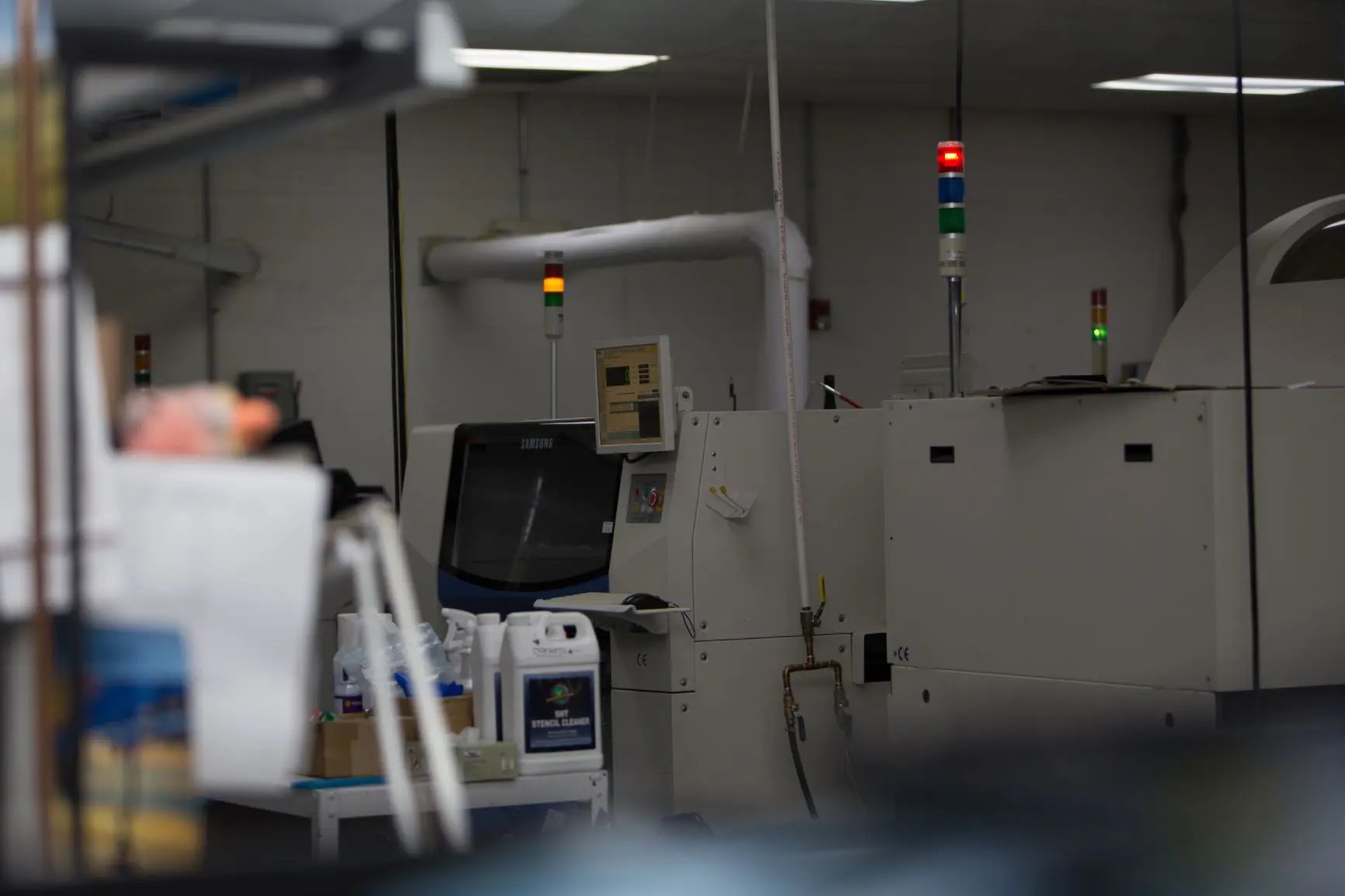
  • Support For SMT, THT, BGA, And Mixed Assembly Technologies
  • Offshore Manufacturing Across Facilities In China, Malaysia, And Mexico
  • AOI, X-Ray Inspection, And In-Circuit Testing (ICT) Supported
Tailored product finishes

Box-Build Prototyping

  • 3-Day Enclosure Prototyping Using 3D Printing
  • 10-Day Enclosure Fabrication Using CNC Machining
  • End-to-End Support From Concept To Fully Assembled Systems
  • System-Level Functional Testing, Burn-In, And Aging Tests Available

Certifications & Compliance

PCBCool operates under internationally recognized quality, safety, and environmental standards to meet the regulatory and market requirements of different industries.

ISO 9001

Ensures a consistent quality management system for reliable manufacturing and process control.

ISO 13485

Required for medical device manufacturing, demonstrating compliance with strict regulatory and traceability requirements.

ISO 14001

Confirms environmental management practices that support sustainable and responsible manufacturing.

REACH

Ensures that materials used do not contain restricted hazardous substances under EU chemical regulations.

RoHS

Verifies that products meet global restrictions on hazardous substances, essential for consumer and industrial electronics.

UL

Demonstrates product safety and electrical compliance, often required for market access in North America.

Pcb assembly

Why Rapid Prototyping Is Needed

Speed can make the difference between leading the market and falling behind. Rapid prototyping allows your team to test and iterate designs in days, not weeks, giving immediate feedback on functionality, manufacturability, and system performance.

The faster you validate your design, the sooner you can identify flaws, optimize components, and make informed engineering decisions. This accelerates product development, reduces costly late-stage changes, and shortens your time-to-market.

Fast prototypes also enable you to respond quickly to changing requirements, customer feedback, or competitive pressures, giving your business agility and a measurable advantage. Choosing rapid prototyping isn’t just about building prototypes—it’s about gaining speed, reducing risk, and moving from concept to production-ready products with confidence.

Prototyping Services Designed for Your Project

Electronics Prototyping

01

Electronics Prototyping

PCBCool provides rapid PCB and PCBA prototyping, enabling your team to validate electronic designs in days. Our engineers assess functionality, performance, and reliability, ensuring components meet the intended specifications. Whether you are working with advanced systems or complex multi-layer boards, our expertise ensures your designs are thoroughly tested before moving to production.

02

Software & System Integration

Seamless hardware-software integration is critical for product success. Our team works closely with you to integrate software into prototypes, testing all features under real operating conditions. Early identification of compatibility issues prevents costly setbacks and ensures your system operates reliably from prototype to mass production.

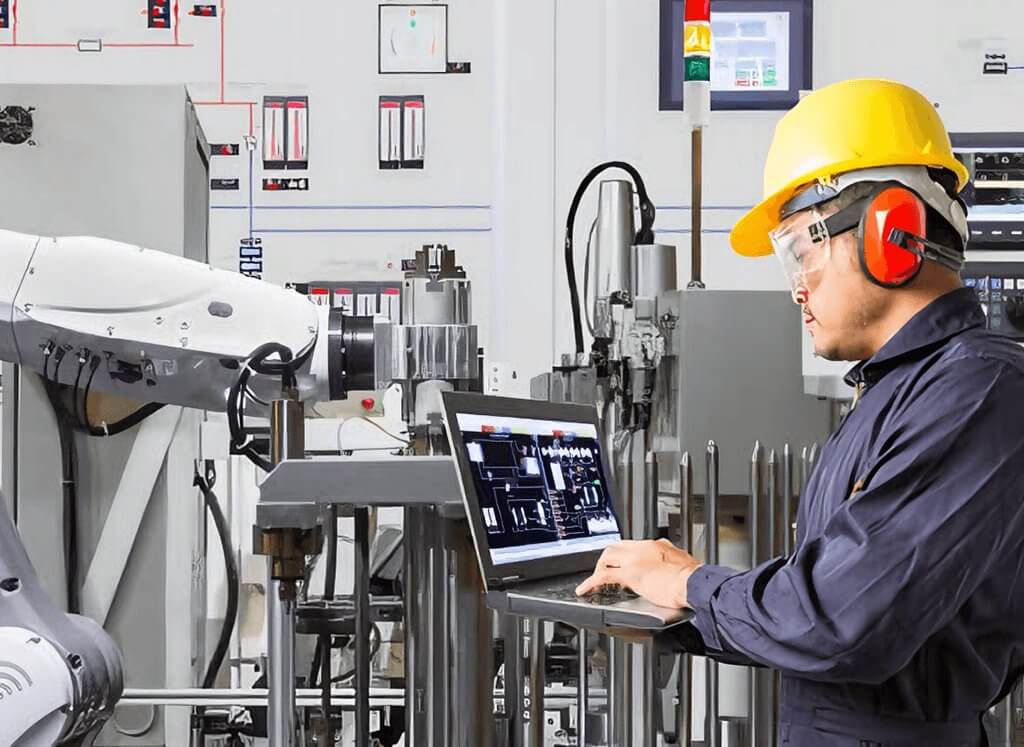
A worker is testing IoT devices
Mechanical & Enclosure Prototyping

03

Mechanical & Enclosure Prototyping

From concept to fully functional enclosures, PCBCool supports 3D printing and CNC manufacturing for rapid mechanical prototyping. We validate structural integrity, durability, and manufacturability, ensuring that both functional and aesthetic requirements are met. Our mechanical prototyping capabilities complement electronic testing to deliver a complete product proof-of-concept.

04

Functional Testing & Validation

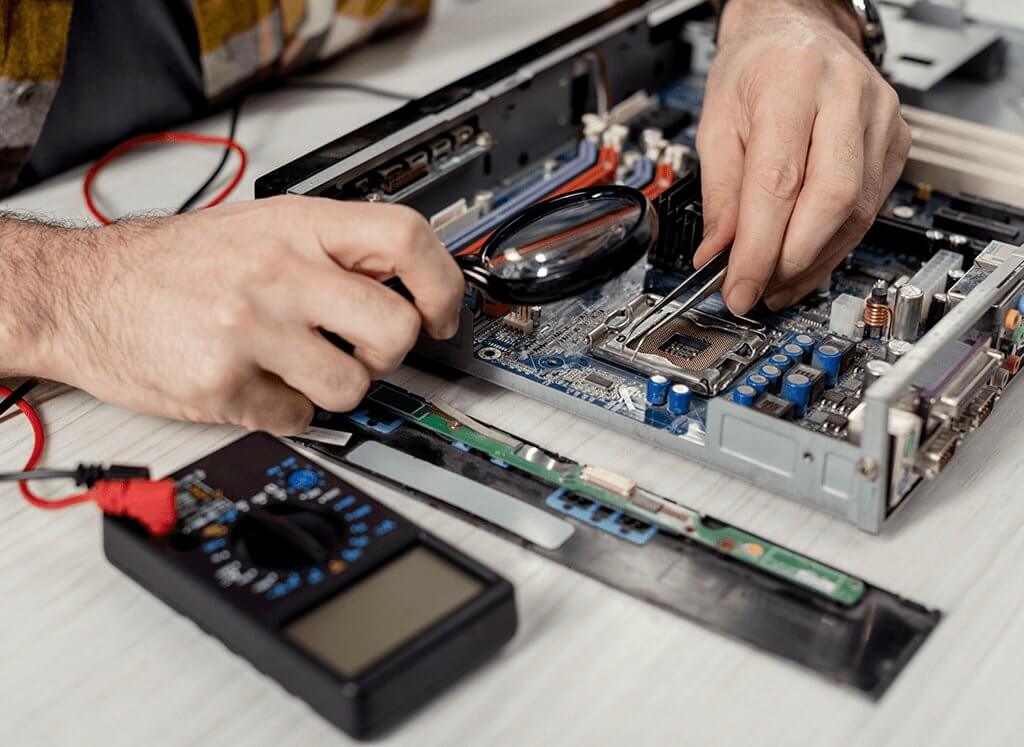
Thorough functional testing is essential to uncover potential performance or design issues before production. Our engineers conduct system-level testing, including electrical, mechanical, and software components, as well as Burn-in and aging tests when needed. Feedback from testing is used to optimize designs, reduce risk, and provide reliable data for a smoother transition to volume manufacturing.

Functional Testing & Validation

Frequently Asked Questions

Q1: What Is The Typical Lead Time For A Prototype?

A: Depending on complexity, PCBCool can deliver PCB prototypes in as fast as 12 hours and PCBA prototypes in 3 days, ensuring accelerated design validation.

Q2: Can I Prototype High-Layer Count PCBs?

A: Yes, we support up to 40-layer boards, including HDI, flexible, and metal-core designs.

Q3: How Are Components Selected For Rapid Prototyping?

A: We prioritize available components to ensure fast turnaround while recommending alternatives if needed to meet specifications and schedule.

Q4: Is It Possible To Prototype With Custom Components?

A: Custom or hard-to-source components can be used, but may impact lead time depending on availability.

Q5: Can Prototypes Be Used To Test System-Level Functionality?

A: Absolutely. Our prototypes undergo system-level functional testing to validate performance and integration.

Q6: What Testing Services Are Included In Prototyping?

A: Standard testing includes AOI, flying probe, ICT, X-ray inspection, functional, burn-in, and aging tests where applicable.

Q7: How Do You Ensure Prototype Reliability?

A: Each prototype is built with production-equivalent processes and rigorously tested to reflect real-world operation.

Q8: Can Prototyping Support Multi-Technology Assembly?

A: Yes, we handle SMT, THT, BGA, and mixed-technology assemblies to match your production methods.

Q9: How Does Rapid Prototyping Reduce Development Risk?

A: By identifying design flaws early, it prevents costly late-stage changes and ensures smoother transition to production.

Q10: Can You Prototype Mechanical Components Or Enclosures?

A: Yes, using 3D printing and CNC machining to validate structure, durability, and fit.

Q11: How Do You Handle Software Integration With Hardware Prototypes?

A: We integrate your software with the prototype to test full system functionality and resolve integration issues early.

Q12: Can Prototypes Be Used For Certification Testing?

A: Prototypes can support pre-certification tests for UL, RoHS, REACH, and other compliance requirements.

Q13: What Materials Are Available For Prototyping?

A: Standard FR-4, flexible substrates, metal cores, high-frequency laminates, and custom materials can all be used.

Q14: How Are Design Changes Managed During Prototyping?

A: Our engineering team evaluates each change for impact on functionality, manufacturability, and schedule before implementation.

Q15: Is Volume Production Possible After Rapid Prototyping?

A: Yes, our prototypes are designed with scalability in mind, easing the transition to low or high-volume production.

Q16: How Are Costs Estimated For Prototyping?

A: Costs depend on complexity, layers, assembly type, and testing. Early BOM review ensures accurate pricing.

Q17: Can I Get Multiple Iterations Quickly?

A: Yes, our rapid prototyping process is optimized for multiple design iterations with minimal delay.

Q18: Are There Limitations On PCB Size Or Shape?

A: Most board sizes and shapes are supported, including irregular layouts, flex, and rigid-flex designs.

Q19: Do You Provide Documentation With Prototypes?

A: Each prototype includes assembly instructions, test results, and engineering feedback for future iterations.

Q20: How Are Sensitive Or Proprietary Designs Protected?

A: We implement strict NDAs, secure data handling, and controlled access to protect your intellectual property.

Q21: How Do You Handle Urgent Prototyping Requests?

A: Our engineering and production teams prioritize urgent projects and optimize workflow to meet tight deadlines.

Q22: How Do I Know If My Prototype Is Production-Ready?

A: Our engineers assess prototypes for functionality, manufacturability, and compliance, providing recommendations for mass production.

Q23: Is Support Provided After Prototype Delivery?

A: Yes, we offer technical support and guidance for design optimization, testing, and preparation for volume manufacturing.

With PCBCool, You Get More Than Assembly

you get a partner committed to zero defects, global compliance, and lasting reliability.