
Blog

How PCBCool Secures PCB Material Stock for Stable Production

0
How PCBCool Secures PCB Material Stock for Stable Production

In PCB manufacturing, a price increase is not always the biggest problem. For many OEMs, the larger risk is uncertainty:

Whether the required laminate can still be sourced; whether the quotation is still valid; whether the production schedule will be affected after the order is ready to move.

El 2026 PCB material shortage made this risk more visible. We discussed the market background in an earlier article, but for PCBCool customers, the more practical question is simpler: if material prices rise or supply becomes tight, can their PCB projects still move forward without unnecessary cost shock or delivery risk?

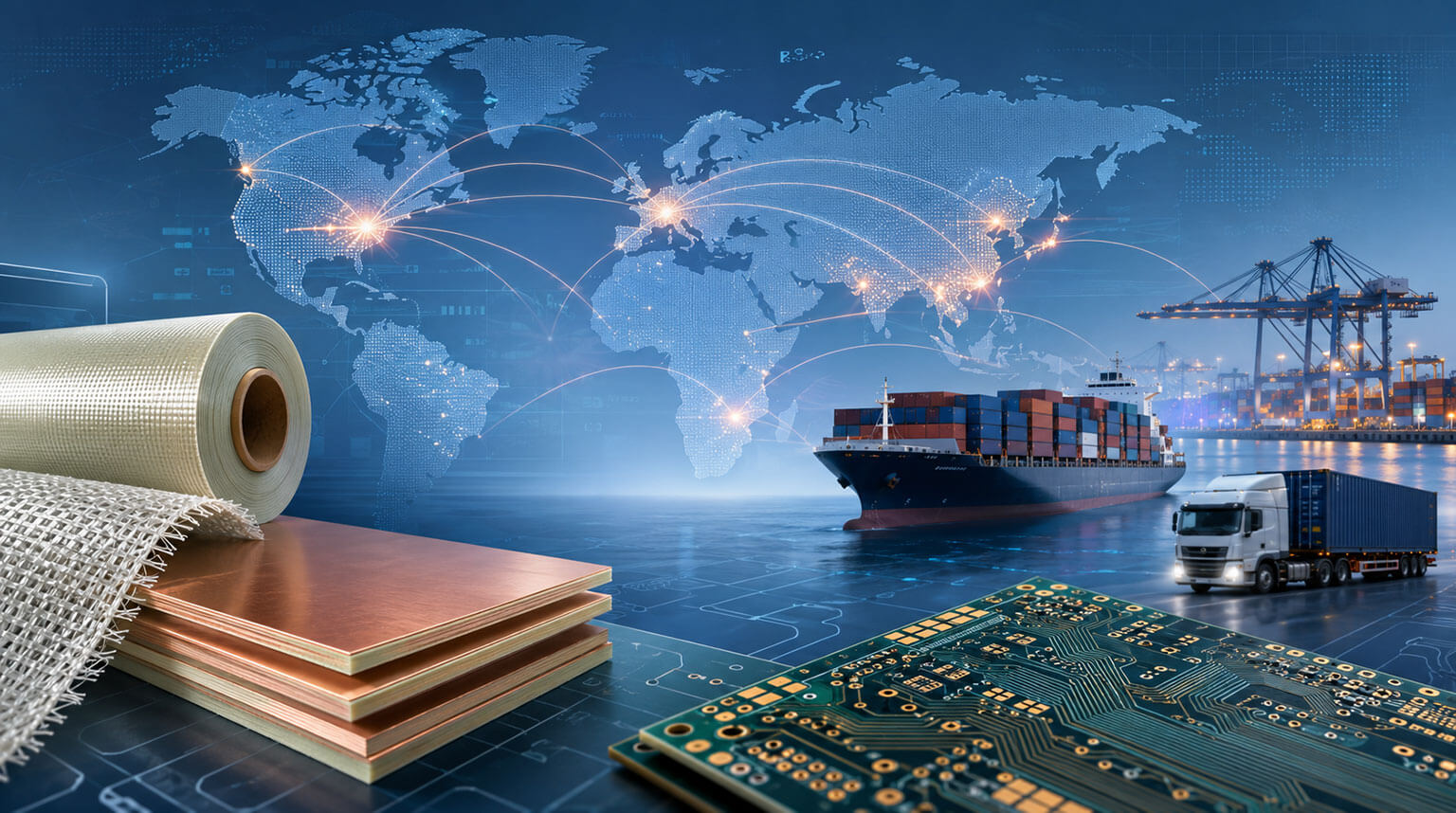
For many standard 2-layer and 4-layer PCB projects, the answer is yes. We prepared additional material inventory before the shortage became more visible to the market.

PCBCool’s Early Material Stocking Decision

In March 2026, PCBCool’s market team began warning internally that PCB material prices could move sharply. The concern was not based on a single headline. It came from several signals appearing at the same time: market reports, supplier communication, customer demand, and our own production planning.

After reviewing the situation, management approved an early stocking plan.

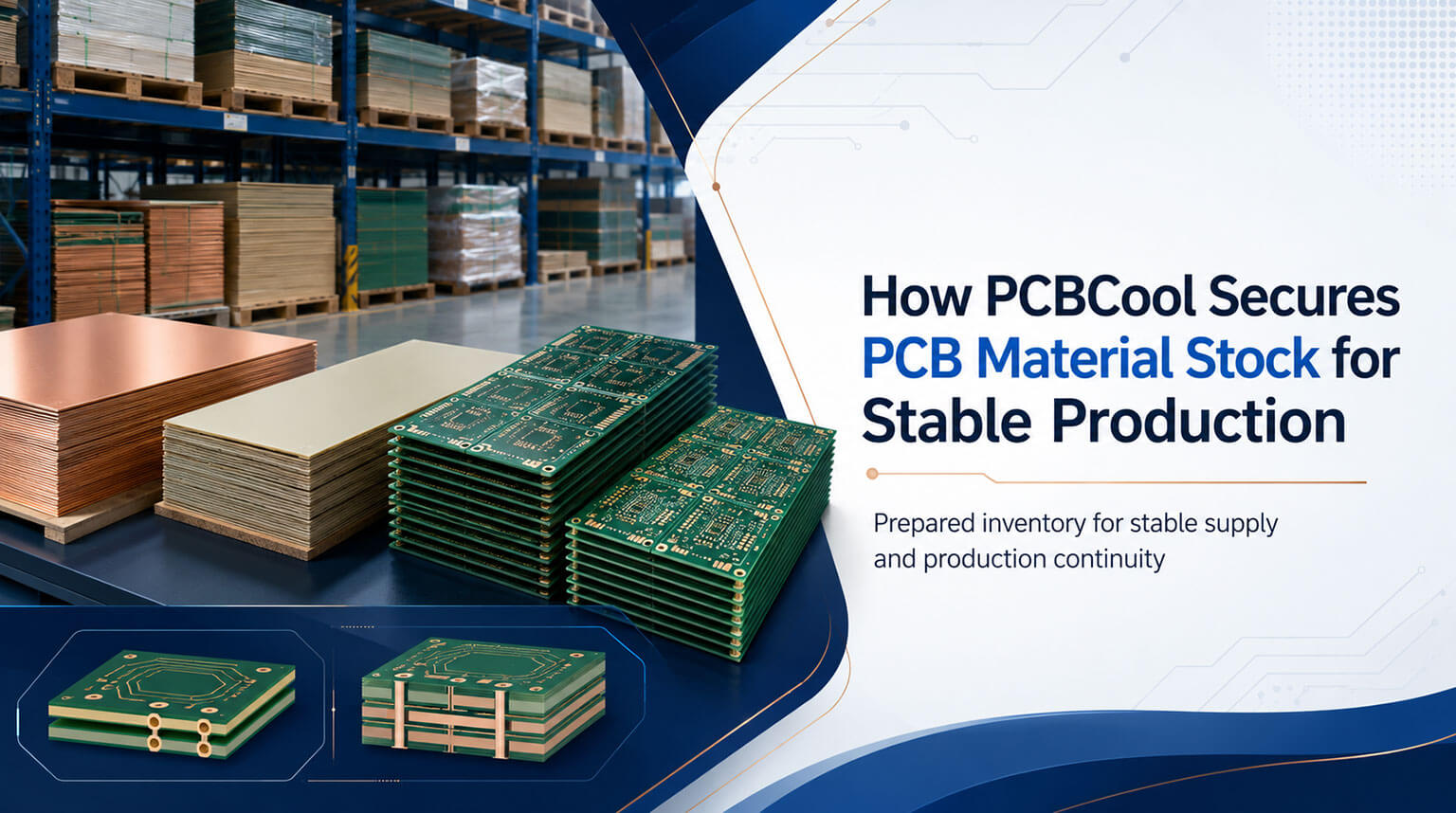
PCBCool prepared approximately 10,000 m² of material for standard 2-layer PCB production and another 10,000 m² for standard 4-layer PCB production. The goal was not to speculate on material prices. The goal was to protect customer projects before supply pressure became harder to manage.

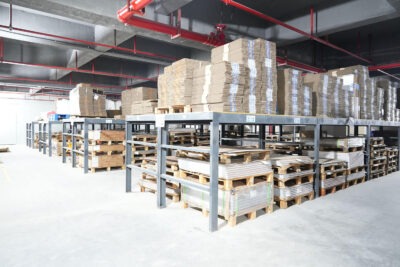
PCBCool's Warehouse

The material stocked is Kingboard material, commonly referred to in the PCB industry as KB material. Kingboard Laminates states that the group established its first laminate manufacturing plant in Shenzhen in 1988, and its product portfolio includes FR-4 and upstream materials such as epoxy resin, glass fabric, and glass yarn.

Why We Focused on 2-Layer and 4-Layer PCB Materials

PCBCool did not choose 2-layer and 4-layer materials simply because they are common. The decision was based on customer demand, application coverage, and inventory-risk control.

First, many of our long-term customer projects use standard 2-layer and 4-layer PCB structures. When material pressure started to appear, our first priority was to protect these repeat projects and help existing customers avoid unnecessary disruption.

Second, 2-layer and 4-layer FR-4 materials cover a wide range of practical applications. They are used in industrial control boards, IoT devices, power-related modules, and many regular production projects. Stocking these materials allows us to support a broader group of customers rather than only a narrow category of specialized orders.

Third, not every material de sustrato is suitable for large-scale stocking. High-speed laminates, RF materials, customer-specified brands, and special stackup materials often need project-by-project confirmation. Stocking all of them in advance would create heavy inventory pressure and could still fail to match the exact requirements of a future project.

Finally, the 2026 material pressure was strongly connected to the rapid expansion of AI server demand, which pushed some high-end PCB materials into a much more volatile pricing environment. For these materials, aggressive stocking would be closer to speculation than responsible supply-chain planning. If upstream supply expanded or demand shifted, the inventory risk could become too high for both the manufacturer and the customer.

Our Position on Pricing During Material Pressure

Material shortages often put customers in a difficult position. Some suppliers raise prices quickly, shorten quote validity, or delay confirmation until customers have little room to respond.

PCBCool does not treat material pressure as an opportunity to raise prices unnecessarily.

For eligible 2-layer and 4-layer PCB projects using our stocked Kingboard material, we aim to keep pricing and production support as stable as possible, rather than following every short-term market movement.

This does not mean every PCB order can keep the same price under all conditions. Board thickness, copper weight, panel utilization, surface finish, special process requirements, and order timing still affect the final quotation.

The point is simple: we stocked material to protect production, not to create a new reason to raise prices.

Consideraciones finales

PCB material pressure is real, but it does not need to become a panic decision. For OEMs, the right response is to stay calm, confirm material availability early, and work with a manufacturing partner that can manage both production quality and supply-chain risk.

This is where cooperation with a well-prepared PCB and PCBA manufacturer becomes important. Customers do not only need boards to be made correctly; they also need a supplier that watches market changes, prepares before shortages become urgent, and helps protect projects from avoidable cost and delivery disruptions.

Preguntas frecuentes

¿Por qué el recuento de capas tiene un impacto tan grande en el costo de las PCB?

La razón principal es que cada capa añadida hace que el proceso de fabricación sea más difícil de controlar. Más capas significan más posibilidades de defectos en las capas internas, problemas de alineación, problemas de laminación y desechos.

P8: ¿Por qué los diseños BGA requieren un control de fabricación de PCB más estricto?

A: Las almohadillas BGA son pequeñas y están muy juntas, por lo que pequeños errores de fabricación se convierten fácilmente en problemas de ensamblaje.

Loki
Loki | Especialista en Comercio Internacional y Fabricación de PCB

Loki ha trabajado en comercio internacional y en PCB desde 2021, con experiencia en fabricación de PCB, ensamblaje y comunicación con clientes. En PCBCool, apoya la publicación de contenido técnico y ayuda a conectar las consultas de los clientes con el gerente de cuenta adecuado para un seguimiento eficiente de los proyectos.

Etiquetas Relacionadas
Compartir