

Blog
Was ist Box Build Assembly in der Elektronikfertigung
In the electronics manufacturing industry, we frequently encounter the term “Endmontage”, also referred to as final assembly, system integration, or electromechanical assembly. For those not familiar with the industry, this term might seem unfamiliar. However, it plays a crucial role in virtually all areas of electronic manufacturing.
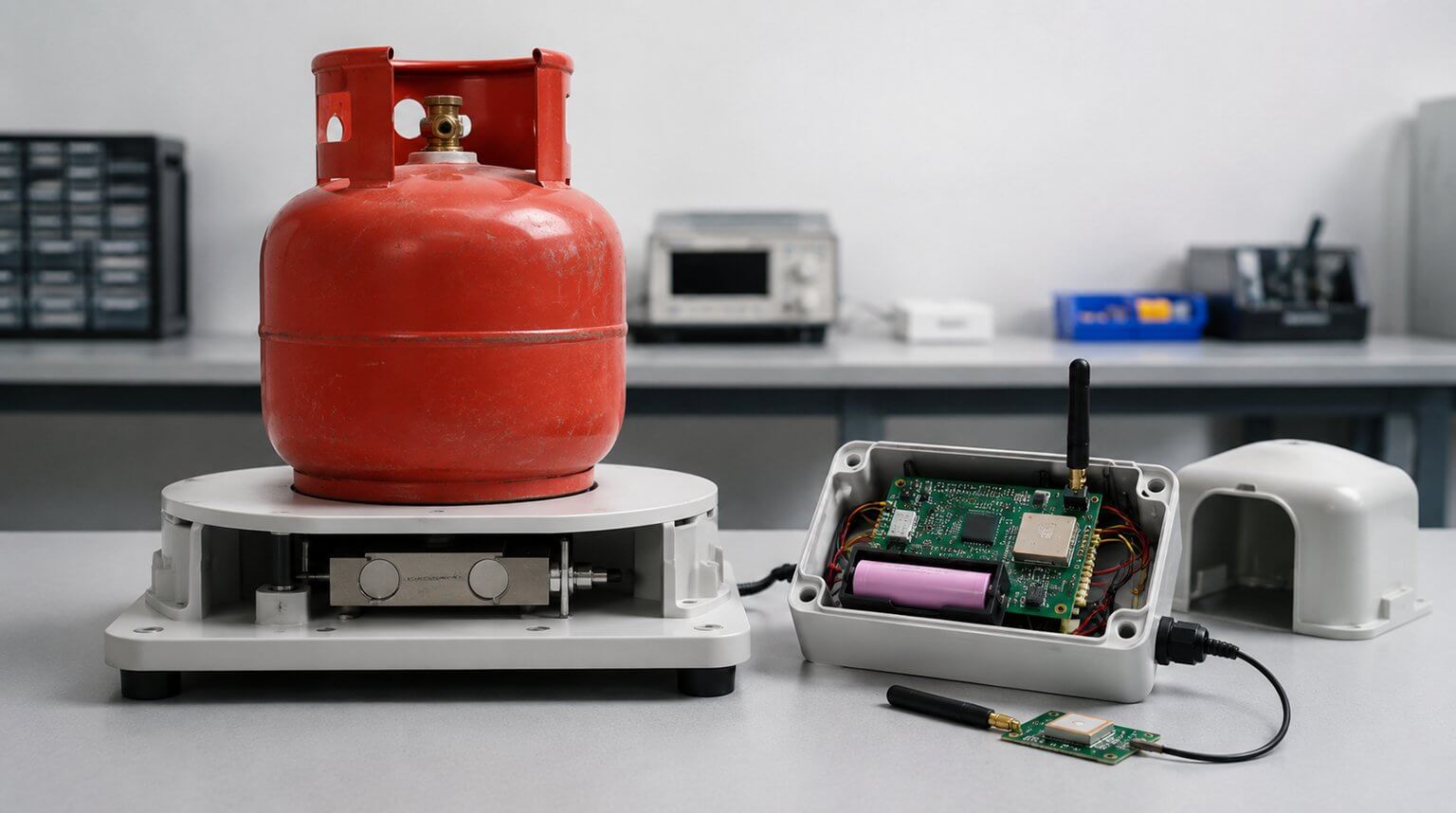
Whether it’s small IoT devices, mobile power banks, or larger products such as industrial automation controllers, medical testing equipment, and even ruggedized electronics for aerospace, behind all these products lies the support of box build assembly.
Today, PCBCool will break down this “final magic step of electronic product assembly”, helping you understand its core value and underlying principles.
What is Box Build Assembly
In simple terms, Box Build Assembly is a one-stop, final assembly process in electronics manufacturing that integrates disparate electronic and mechanical components into a complete, functional product. The term “Box” refers to the product’s outer shell (also known as the chassis or housing), while “Build Assembly” means “to build and assemble.” Together, it means “assembling all components into the shell to complete the final product.”
Many people confuse Box Build Assembly with Leiterplattenbestückung (Printed Circuit Board Assembly, PCBA). However, they are distinctly different: PCB Assembly focuses on soldering electronic components (like resistors, capacitors, and chips) onto the PCB, resulting in a “PCBA” board that is not yet ready for use. Box Build Assembly, on the other hand, takes the PCBA and further integrates all supporting components, resulting in a fully functional end product that can be delivered directly to the end user. In simple terms:
PCB Assembly is like “making a smartphone motherboard,” while Box Build Assembly is “assembling the motherboard, screen, battery, casing, and other components into a complete smartphone.”
From an industry standpoint, Box Build Assembly is the “final mile” of electronic manufacturing, connecting component production with product delivery. It is the key step in transforming a design blueprint into a usable product and is a core choice for many electronics companies to reduce supply chain complexity and improve production efficiency.
Box Build Assembly vs PCB Assembly
| Aspekt | Endmontage | Leiterplattenbestückung |
|---|---|---|
| Definition | A final assembly process that integrates all components (electronics, mechanical, etc.) into a complete functional product. | The process of soldering electronic components (resistors, capacitors, chips) onto a printed circuit board (PCB) to create a functional board (PCBA). |
| Umfang | Involves the entire assembly, including sub-assemblies, testing, packaging, and integration into the final product. | Focuses on the assembly of the PCB only, typically the first stage in the product’s production process. |
| Components Involved | Includes the PCB, housing, wiring, mechanical parts, connectors, cables, and more. | Primarily involves electronic components like resistors, capacitors, and chips. |
| Functionality | Results in a complete, ready-to-use product that is functional and packaged. | Results in a PCB that is ready for integration into a larger system or device. |
| Process Steps | Material collection, sub-assembly, PCBA installation, electromechanical integration, casing sealing, system testing, packaging, and delivery. | Material preparation, component placement, soldering, inspection, and testing. |
| Complexity | More complex due to the integration of various components (electronics, mechanics, software, etc.). | Less complex, focusing only on assembling electronic components onto a PCB. |
| Industrien | Used in industries like industrial automation, healthcare, telecommunications, consumer electronics, and more. | Common in any electronics product that requires a PCB, such as consumer electronics, computers, medical devices, etc. |
| Time to Market | Longer, as it involves the entire assembly and testing process. | Shorter, as it focuses only on the assembly of the PCB itself. |
| Kosten | Higher due to the additional processes (integration, testing, packaging, etc.). | Generally lower, as the focus is only on the assembly of the PCB. |
| End Product | A fully functional product that is ready for consumer use. | A functional PCB that may require further integration to become a complete product. |
What is the Core Process of Box Build Assembly
Box Build Assembly services are often customized, either fully or partially, and different service providers may follow different process flows. Ultimately, the Box Build Assembly process is flexible and adjusts based on the complexity of the product. A simple product might require only 5-6 steps, while more complex products (such as medical devices or industrial controllers) could require a dozen or more steps. However, the core process generally follows the logic of “material collection → sub-assembly → integration and packaging → testing and inspection → packaging and delivery”:
Material Collection (Kitting)
This is the first step in Box Build Assembly and forms the foundation for smooth subsequent processes. The team gathers all necessary components, including the PCBA, casing, cables, wire harnesses, mechanical brackets, heat sinks, screws, connectors, etc., according to the product’s BOM (Bill of Materials). The quantity, specifications, and quality of materials are checked to prevent assembly delays caused by missing or defective materials. For complex products, materials may be categorized and labeled for easier retrieval.
Sub-Assembly
For products with complex structures, not all parts are immediately assembled into the outer shell. Instead, some components are pre-assembled into “sub-assemblies” before the final integration. For instance, cables and connectors may be assembled into a “cable sub-assembly,” heat sinks and brackets into a “heat sub-assembly,” and smaller PCBs and connectors into a “functional sub-assembly.” This approach improves assembly efficiency, reduces errors during final assembly, and facilitates troubleshooting.
PCBA Board Installation
The PCBA board is the “brain” of the device and is a critical component in Box Build Assembly. This step involves fixing the completed PCBA board into the designated position inside the casing using screws, clips, thermal adhesives, etc. The distance between the PCBA board and the casing is carefully maintained to avoid collisions with other components during later installation steps, ensuring proper heat dissipation, especially for high-heat products.
Electromechanical Integration and Wiring
This is one of the most technically challenging steps in Box Build Assembly. The team installs pre-assembled sub-components, cables, wire harnesses, and other mechanical parts (e.g., fans, sensors) into the casing while ensuring precise wiring. The cable routing must be rational and secure to prevent interference with other components, avoid cable wear, and ensure good electrical connections. For products requiring software control, this step also includes software loading and debugging to ensure proper communication between the PCB and other components.
Casing Sealing
Once all internal components are installed and tested, the casing is sealed. The team assembles and secures the top and bottom covers, front and rear panels of the casing, ensuring tight sealing using screws and sealants. This step protects the internal components from dust, moisture, and impact while enhancing the product’s aesthetics and slip resistance. For products with specific requirements (e.g., outdoor equipment or medical devices), sealing tests are performed to meet standards.
System-Level Testing
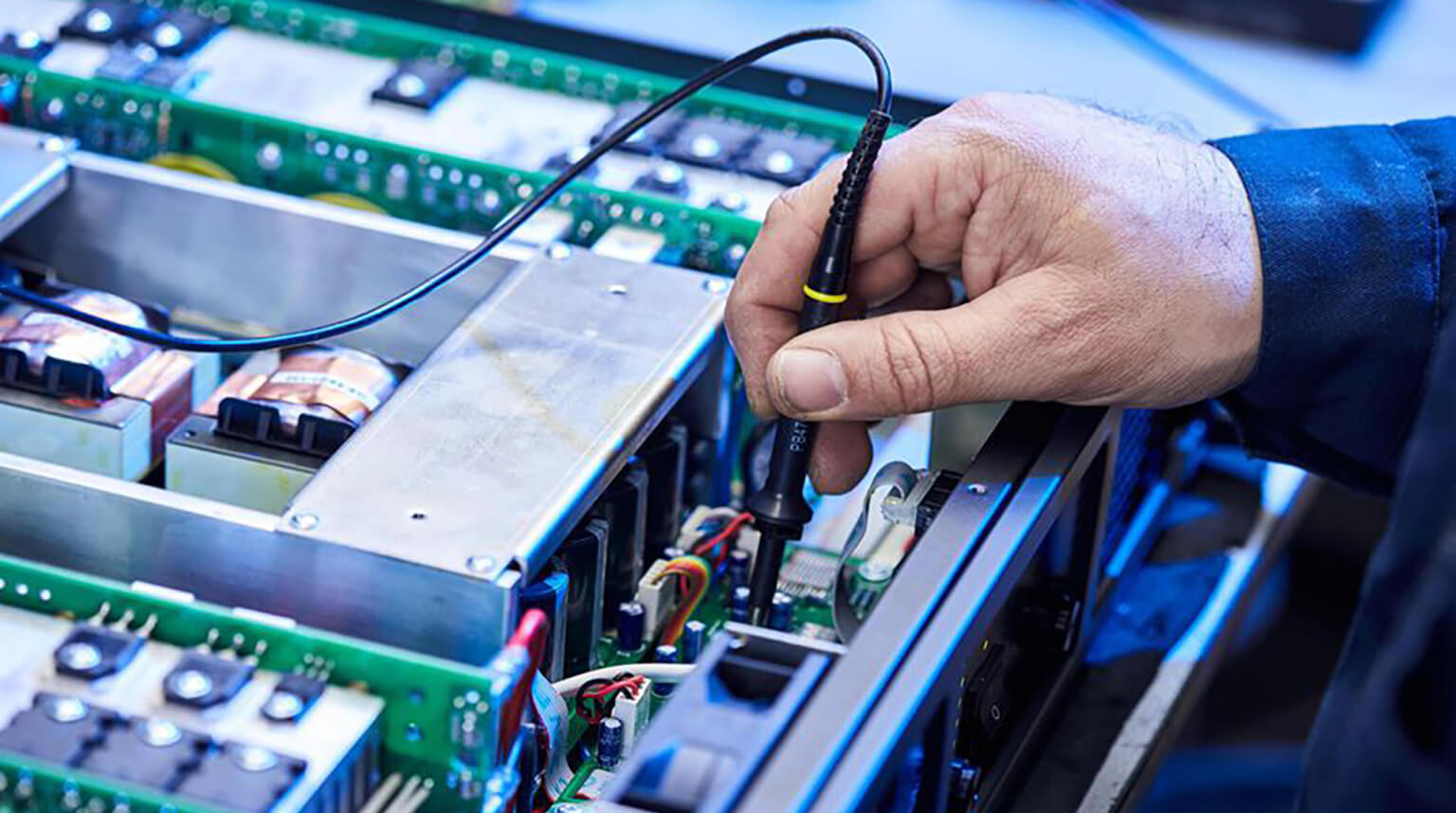
The assembly is not complete after sealing; rigorous system-level testing is required to ensure that the finished product performs all intended functions and maintains stable performance. Common tests include functional testing (verifying the product operates correctly), aging tests (simulating long-term use to check stability), pressure tests (for power-related products), and appearance checks (to identify scratches, damage, and labeling clarity). Only products that pass all tests are moved to the next step.
Labeling, Packaging, and Documentation
The final step involves labeling, packaging, and preparing necessary documentation. Product labels (e.g., model number, serial number, production date, and certification) are affixed to the casing. The product is then packed in protective packaging (e.g., cardboard boxes, foam cases), with cushioning materials added to prevent damage during transport. Accompanying documentation, such as user manuals, certificates of conformity, and test reports, are also included to assist the end user with product use and inspection.
Key Benefits of Choosing Box Build Assembly Services
Simplified Supply Chain
Box Build Assembly offers a “one-stop service,” where professional service providers handle the entire process—from material collection and sub-assembly to integration, testing, and packaging. This eliminates the need for companies to coordinate with multiple suppliers for PCBs, components, and testing, significantly reducing supply chain complexity and communication and management costs.
Faster Time-to-Market
Professional Box Build Assembly vendors have mature production lines, expert teams, and ample assembly experience, allowing them to quickly respond to company needs and complete the assembly process efficiently. Compared to building their own production line and training teams, companies can significantly shorten the production cycle, get products to market faster, and gain a competitive edge.
Product Quality Assurance
Box Build Assembly vendors are equipped with specialized testing equipment and stringent quality control systems. Each stage of production, from material inspection to finished product testing, is closely monitored by professionals, effectively preventing quality issues like assembly errors or defective materials, ensuring product stability, and improving end-user experience.
Lower Production Costs
Professional Box Build Assembly vendors take advantage of economies of scale and centralized material procurement, which leads to lower material costs and improved production efficiency. Compared to in-house production, outsourcing box build assembly can significantly reduce per-unit production costs. Furthermore, companies can focus more resources on product design, R&D, and marketing, enhancing product cost-effectiveness and competitive advantage.
Abschließende Gedanken
Having reviewed this content, you should now have a comprehensive understanding of Box Build Assembly. It is far more than just “putting a shell on”—it is an integrated process combining electronics, mechanics, testing, and other technical fields, making it an essential part of the electronics manufacturing process. It represents the “final mile” that connects individual components to a fully functional product.
From individual components to a complete electronic product, Box Build Assembly uses professional expertise and a rigorous process to turn design blueprints into tangible, usable end products that support industries like industrial automation, healthcare, telecommunications, consumer electronics, and more.
For businesses, opting for professional Box Build Assembly services not only simplifies the supply chain and reduces costs but also ensures product quality, shortens time-to-market, and provides a competitive edge in the fierce market environment. For consumers, Box Build Assembly enables safer, more stable, and more convenient electronic products, enriching our lives and work.
Häufig gestellte Fragen (FAQ)
A: Yes, it allows companies to quickly assemble a working prototype, integrating both electronic and mechanical components, for faster feedback before full-scale production.
A: Yes, Box Build Assembly can be effective for both high and low-volume runs.
A: Outsourcing allows companies to focus on core activities like R&D and marketing, instead of managing complex assembly processes.
A: Vendors often have established relationships with suppliers, reducing delays, shortages, and other supply chain challenges.
A: Box Build Assembly is ideal for products needing both electronic and mechanical integration, like industrial equipment, medical devices, and IoT products.
A: Yes, it includes comprehensive testing like functional, environmental, and stress tests to ensure the product functions as expected.
A: Yes, they may suggest design changes to simplify assembly or improve durability, leading to cost savings and smoother manufacturing.
A: Consider their industry experience, quality control practices, turnaround time, and post-assembly services like testing and packaging.
A: Vendors ensure the final product complies with regulations and certifications, such as CE, UL, or RoHS.
A: Yes, it includes software integration and debugging to ensure the product operates correctly.
A: Yes, but it may cause delays, increased costs, and quality control issues. It’s best to choose a reliable vendor from the start.
Loki ist seit 2021 im internationalen Handel und in der Leiterplattenfertigung tätig und verfügt über Erfahrung in der Leiterplattenherstellung, Montage und Kundenkommunikation. Bei PCBCool unterstützt er die Veröffentlichung technischer Inhalte und hilft, Kundenanfragen mit dem zuständigen Account Manager zu verbinden, um eine effiziente Projektverfolgung zu gewährleisten.